












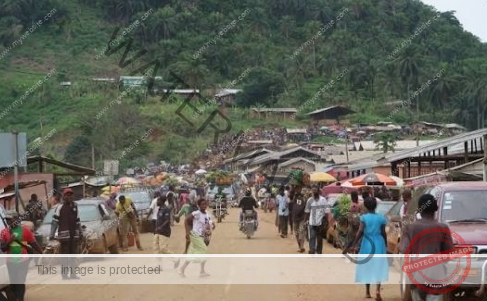
Political freedom must ultimately translate into economic freedom, or it risks remaining symbolic rather than transformational. The task ahead is not merely resistance, but reconstruction—and reconstruction begins with economic vision.
By The Independentistnews Economic Desk
Introduction: Sovereignty Requires Economic Foundations
Political independence without economic infrastructure is fragile. Sustainable autonomy depends not only on diplomatic success but on whether a future Ambazonia can feed its people, power its industries, move its goods, and finance its institutions. Economic sovereignty must therefore be built deliberately around core infrastructure systems that guarantee stability from the first day of peace.
Maritime Access: The Gateway to Economic Survival
Access to maritime trade remains the single most decisive factor. A viable economy needs secure port access capable of handling fuel, machinery, consumer goods, and export products. Customs revenue, shipping logistics, and industrial supply chains all depend on maritime gateways. Without this, economic dependence on neighbors becomes unavoidable, limiting true autonomy.
Energy Infrastructure: Powering Recovery and Growth
Energy infrastructure follows closely behind. Reliable electricity underpins hospitals, telecommunications, schools, and businesses. Years of conflict have damaged infrastructure and discouraged investment. Rebuilding energy capacity—whether hydroelectric, gas, solar, or hybrid systems—would be central to economic recovery. No economy grows in darkness.
Border Management and Trade Corridors: Controlling Economic Flow
Border management and trade corridors also determine success. Controlled and efficient border systems allow legitimate trade, customs revenue collection, and regional integration while limiting smuggling and insecurity. Trade routes connecting coastal zones to inland markets must function efficiently for economic cohesion.
Internal Production: Food and Industrial Self-Reliance
Internal production is equally vital. Food security reduces vulnerability to price shocks and external pressure. Agriculture, fisheries, forestry, and agro-processing industries create rural employment and reduce dependence on imports. A nation that cannot feed itself cannot sustain long-term stability.
Transport Infrastructure: Binding the Economy Together
Transport infrastructure inside the territory binds the economy together. Roads and bridges connect farmers to markets, towns to ports, and businesses to customers. Without reliable transport networks, development remains isolated and costs rise for everyone.
Digital and Telecommunications Infrastructure: The Modern Economic Backbone
Telecommunications and digital infrastructure are now economic essentials rather than luxuries. Banking, government services, diaspora investment, and modern education rely on connectivity. Digital systems also improve transparency and revenue collection, strengthening governance.
Financial Systems and Revenue Collection: Funding the Future State
Finally, financial and revenue systems determine whether services can be sustained. Customs administration, taxation, digital payment systems, and accountable budgeting provide the financial backbone of governance and development.
From Resistance to Reconstruction
The strategic lesson is clear: independence debates must evolve into state-building conversations. Ports, energy, borders, production, and connectivity are not abstract policy issues—they are the foundations of survival and prosperity.
Conclusion: Economic Freedom Secures Political Freedom
The future question is therefore not only whether Ambazonia can achieve political recognition, but whether it can build an economy capable of sustaining peace, creating jobs, attracting investment, and restoring dignity to its people. True sovereignty is secured not only at negotiation tables, but in functioning farms, powered cities, open trade routes, and thriving businesses.
Political freedom must ultimately translate into economic freedom, or it risks remaining symbolic rather than transformational. The task ahead is not merely resistance, but reconstruction—and reconstruction begins with economic vision.
The Independentistnews Economic Desk





Leave feedback about this