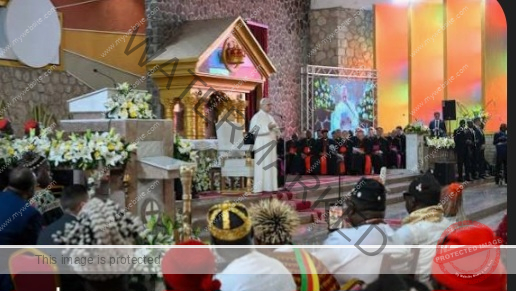


The Papal visit did more than draw attention; it exposed underlying tensions. On one side are structured efforts to present stability and order. On the other are voices seeking to bring forward accounts of loss, displacement, and unresolved grievances.
By Timothy Enongene
Guest Editor-in-Chief, The Independentistnews
On Special Assignment, Bamenda
BAMENDA – 18 April 2026 – As the immediate calm surrounding the Papal visit fades, a more complex picture is emerging—one that raises questions about influence, representation, and the risks faced by those who sought to be heard.
Funding, Structure, and the Mediation Question
Information circulating among observers suggests that significant resources may have been mobilized to shape how the visit unfolded.
Attention has focused on the role of certain civil society organizations perceived to have close institutional ties. Critics argue that their presence within key engagements may have influenced how the situation was intended, emphasizing stability and managed dialogue over deeper grievances.
There are also claims that some organizations previously active in earlier mediation efforts were again positioned prominently during the visit, reinforcing concerns about continuity in representation. At the same time, these allegations remain contested, underscoring the need for transparency in how such platforms are structured and funded.
Access and Participation
Questions have also been raised about who was able to participate—and who was not. Reports suggest that certain forums were tightly organized, limiting broader grassroots engagement. Some local voices interpret this as an effort to ensure predictability and control during such a high-profile international visit. Whether viewed as coordination or restriction, the outcome has fueled debate about inclusivity and authenticity in moments of global attention.
Grassroots Action: The Dossier Moment
Despite these constraints, there are indications that grassroots actors found ways to present their concerns. Members of faith-based networks, particularly women’s associations, are reported to have shared documentation concerning missing persons and the humanitarian impact of the conflict. These actions highlight the determination of local communities to ensure that lived realities were not excluded from high-level discussions.
Concerns Over Repercussions
Following these developments, reports have emerged of increased pressure on some individuals involved in these efforts. Accounts include monitoring, summons, and concerns about possible administrative or legal actions. While not all reports have been independently verified, they have contributed to a growing sense of vulnerability among community members. For many, the issue is no longer only about representation—but about protection.
A Moment of Exposure
The Papal visit did more than draw attention; it exposed underlying tensions. On one side are structured efforts to present stability and order. On the other are voices seeking to bring forward accounts of loss, displacement, and unresolved grievances. Bridging this divide remains essential to any credible path toward dialogue.
Conclusion: Beyond Visibility
The visit has passed, but its implications remain. Questions of influence, access, and accountability now stand alongside the broader call for justice and meaningful engagement. Whether this moment leads to deeper transparency or further polarization will depend on what follows. For those on the ground, one reality is clear: being heard can bring recognition—but it can also carry risk.
Timothy Enongene
Guest Editor-in-Chief, The Independentistnews
On Special Assignment, Bamenda