













If the Pope uses his moral authority to encourage dialogue, the release of prisoners connected to the conflict, humanitarian access, and a peaceful path toward resolving the crisis, such efforts would not undermine the aspirations of the people of Southern Cameroons.
Dear Patriot from Bui,
First, allow us to thank you for your thoughtful letter and for your continued engagement with the work of The Independentist. Citizens who reflect deeply on history and remain vigilant about the political future of Southern Cameroons play an important role in sustaining the civic consciousness of our people.
Your concerns regarding the historical relationship between the Vatican and France are not without intellectual foundation. History indeed records moments when secular rulers influenced the Papacy and others when the Papacy itself influenced political affairs across Europe. Such episodes remind us that institutions—religious or political—have often interacted in ways shaped by the realities of their time.
However, it is also important to distinguish medieval European political dynamics from the modern diplomatic role of the Vatican.
Today, the Holy See functions primarily as a moral and humanitarian voice in international affairs, rather than as an imperial political actor. In many global conflicts—from Latin America to Africa and the Middle East—the Vatican has often acted as a mediator advocating dialogue, reconciliation, and humanitarian relief rather than political domination. Its diplomatic influence is typically exercised through persuasion, moral authority, and appeals to peace.
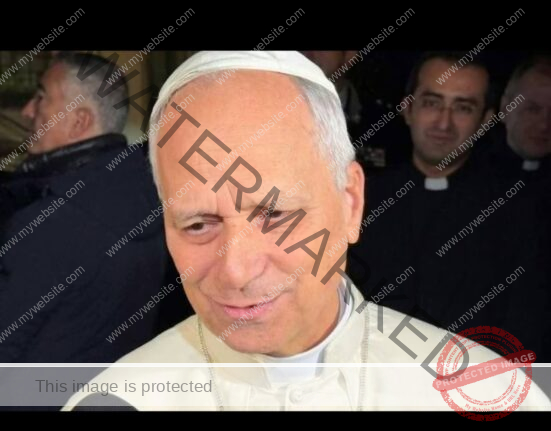
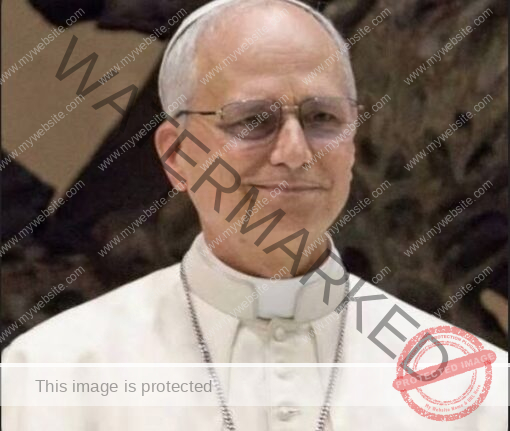
The forthcoming visit of the Pope to Bamenda must therefore be approached with measured prudence rather than immediate suspicion.
For the people of Southern Cameroons, the visit could present an opportunity rather than a threat. The presence of the head of the Catholic Church in a region that has endured years of conflict has the potential to draw renewed global attention to the humanitarian and political realities on the ground. In international diplomacy, visibility often matters, and global figures can sometimes open doors that remain closed in purely political channels.
It is also worth remembering that the Catholic Church in Southern Cameroons is not an external institution imposed from abroad. It is deeply rooted in the communities of the North West and South West, where generations of clergy, catechists, and faithful have served their people through education, healthcare, and social support. Many priests and bishops have themselves spoken courageously about the suffering of civilians during this conflict.
Your call for vigilance is therefore understood. Yet vigilance should not be mistaken for distrust of every international actor who engages with our homeland. Political maturity requires the ability to observe carefully, engage respectfully, and judge actions by their outcomes rather than by historical fears alone.
If the Pope uses his moral authority to encourage dialogue, the release of prisoners connected to the conflict, humanitarian access, and a peaceful path toward resolving the crisis, such efforts would not undermine the aspirations of the people of Southern Cameroons. On the contrary, they could help create the international environment necessary for a just and lasting solution.
The people of Ambazonia have demonstrated remarkable resilience throughout this struggle. Confidence in that resilience allows us to welcome global attention without fearing that our destiny can be quietly negotiated away behind closed doors.
History teaches caution, but it also teaches that moments of diplomacy sometimes open unexpected doors.
Let us therefore remain calm, observant, and united in purpose. The aspirations of a people cannot be erased by speeches, nor can they be secured by suspicion alone. They are secured through patience, unity, and strategic engagement with the world.
With respect and appreciation for your vigilance,
Editorial desk
The Independentistnews


Leave feedback about this