








News commentary

We are home to news on Cameroon and the CEMAC region. We are dedicated to honest and reliable reporting. We are the voice of the Cameroonian people and their fight for freedom and democracy at a time when the Yaoundé government is silencing dissent and suppressing democratic voices.

When communities feel caught between armed actors, intelligence cooperation declines and stabilization efforts face increasing obstacles. Under such circumstances, even well-equipped forces struggle to achieve sustainable security outcomes.
By Ali Dan Ismael, Editor in Chief The Independentistnews
Performance Abroad vs. Reality at Home
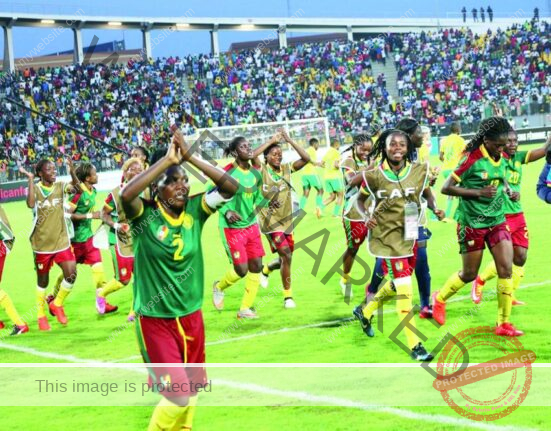
Recent international discussions surrounding the performance of various national security units have reignited debate about the effectiveness of military responses to internal conflicts. Yet the deeper issue confronting Cameroon is not performance in overseas competitions, but the enduring crisis at home—where years of confrontation continue to exact a heavy toll on civilians, communities, and national stability.
A Conflict That Refuses to End
Despite sustained military operations and significant deployment of state forces, conflict in the Southern Cameroons region persists. This reality underscores a lesson increasingly evident across modern conflict zones: military responses alone cannot resolve fundamentally political disputes. The result has been prolonged instability, disrupted livelihoods, deteriorating infrastructure, and widespread displacement of civilians.
The Civilian Cost of Prolonged Instability
In many affected communities, economic life has slowed or collapsed. Schools struggle to operate consistently, healthcare access remains uncertain, and local commerce suffers. The longer such instability continues, the more difficult recovery becomes, creating long-term risks not only for local populations but for national cohesion and regional security.
Trust Deficit Between State and Communities
Security operations conducted without parallel political engagement often deepen mistrust between civilians and state institutions. When communities feel caught between armed actors, intelligence cooperation declines and stabilization efforts face increasing obstacles. Under such circumstances, even well-equipped forces struggle to achieve sustainable security outcomes.
Why Lightly Equipped Fighters Persist
The persistence of armed self-defense groups—often operating with limited resources yet maintaining local operational effectiveness—demonstrates that military superiority alone does not guarantee conflict resolution. Motivation, local knowledge, and community dynamics frequently shape outcomes in ways conventional military planning cannot easily overcome.
The Limits of Military Solutions
What emerges from years of confrontation is a clear conclusion: sustainable peace cannot be achieved solely through force. Lasting stability requires credible political dialogue, institutional reform, and confidence-building measures capable of restoring trust between communities and the state.
The Role of International Engagement
International partners and regional organizations also have roles to play in encouraging constructive engagement, supporting mediation initiatives, and ensuring humanitarian access to vulnerable populations. Diplomacy, dialogue, and negotiated frameworks have resolved conflicts elsewhere; there is no reason Cameroon should be an exception.
From Confrontation to Resolution
The priority must now shift from confrontation toward resolution. Continued conflict drains national resources, undermines economic growth, and deepens social divisions. The longer the crisis persists, the more difficult reconciliation becomes.
A Call for Political Courage
Peace remains possible—but only if all stakeholders recognize a fundamental truth: no side can secure lasting victory without reconciliation, reform, and a political solution acceptable to the populations most affected by the conflict. The time has come to move from military stalemate toward political courage.
Ali Dan Ismael, Editor in Chief
Share This Post:
Paul Monyonge Kale: Architect of Southern Cameroons’ Parliamentary Tradition Speaker of the West Cameroon House of Assembly (1961–1966)
Gold, Power, and Uncertainty: What Cameroon’s Export Discrepancies Reveal About Elite Capital Flight
Related Post
Trump’s Deportation Deal With Cameroon Doesn’t Undermine Ambazonia—It Reveals
THE MEMORANDUM DISTRACTION: HOW THE GUARDIAN POST MANAGES A
THE FEDERALISM ILLUSION: A NECESSARY CORRECTION TO KAMTO’S MISREADING
An Ambazonian Patriot from Home Front, writes to The
Easter’s Verdict: Those Who Start Wars Must Be Named
The Architecture of Erasure: A Narrative