

A widely shared proverb reminds us that when a deeper problem exists, treating only the visible symptoms will not resolve the crisis. Lasting peace in Nwa and surrounding communities will likely require confronting the root causes of conflict through inclusive and credible political processes, rather than focusing solely on immediate manifestations of violence.
By Timothy Enongene, Guest Editor-in-Chief The
Independentistnews
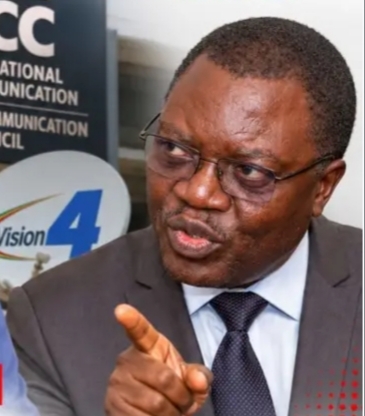
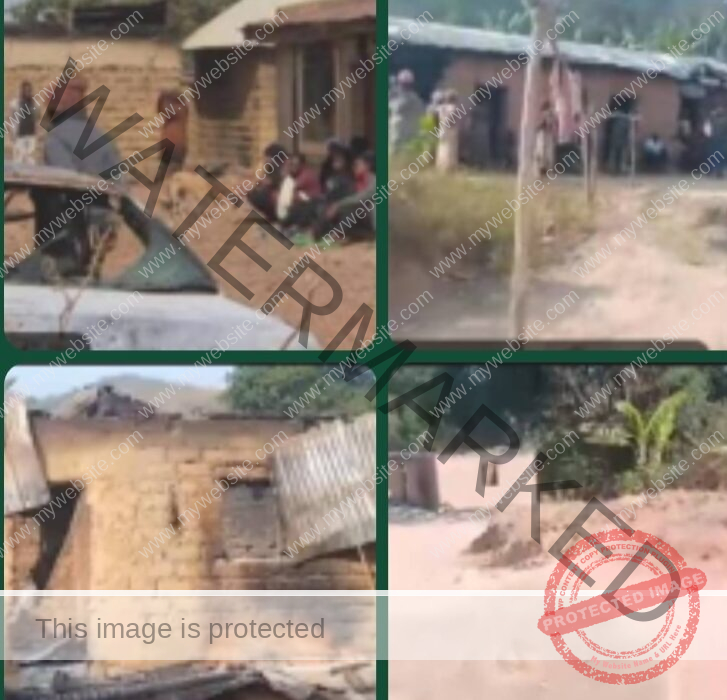
YAOUNDÉ February 17 2026 – Recent remarks by the Member of Parliament for Nwa following the tragedy in Mbat village have sparked debate across the region. For many residents and observers, the explanation offered—linking the violence primarily to the presence of armed separatist elements—fails to capture the deeper realities behind recurring attacks on vulnerable communities.
Critics argue that the destruction in Mbat reflects a broader failure of security protection in rural areas rather than the simple presence or absence of one armed group. Communities that lack organized protection mechanisms or effective state security presence often find themselves exposed to cycles of violence involving multiple armed actors, including criminal networks and militia groups.
The Militia Question and Security Gaps
The MP’s comments have also reopened discussion about the nature of armed groups operating along border regions. Some residents question whether violence in affected communities can truly be reduced to boundary or inter-communal disputes, noting that many attacks appear coordinated and systematic rather than spontaneous.
Others caution against oversimplifying complex tensions involving farmers, herders, local self-defense groups, criminal elements, and security forces. However, there is broad agreement among affected populations that persistent insecurity has created a vacuum in which armed groups operate with little restraint.
For villagers whose homes and farms have been destroyed, debates over labels matter less than the immediate need for protection and accountability.
Remembering the Roots of the Crisis
Many community leaders continue to trace the origins of the broader conflict to grievances raised nearly a decade ago by teachers, lawyers, and civil society actors who called for reforms addressing governance and identity concerns. The subsequent escalation into armed confrontation has produced widespread displacement, economic disruption, and humanitarian hardship.
Over time, prolonged instability has created additional problems beyond the original political dispute. Insecurity has enabled criminal activities such as kidnapping for ransom, illegal taxation, and banditry to flourish, affecting civilians across communities regardless of political alignment.
Corruption, weak governance, and declining public services have further eroded trust in institutions and deepened suffering in conflict-affected areas.
Addressing Causes, Not Only Symptoms
Residents in Mantung and surrounding areas increasingly argue that focusing solely on individual attacks or assigning blame to one actor risks missing the larger picture. Strengthening military presence alone, they say, has not delivered lasting peace, while communities remain caught between armed groups and state forces.
Many voices across the political spectrum now emphasize the need for dialogue that addresses underlying grievances, security concerns, and governance failures rather than continuing a cycle of military responses.
For critics of the MP’s stance, a representative’s role should include advocating policies that reduce violence and create pathways to political solutions capable of restoring stability and allowing displaced populations to return home safely.
One Last Word
A widely shared proverb reminds us that when a deeper problem exists, treating only the visible symptoms will not resolve the crisis. Lasting peace in Nwa and surrounding communities will likely require confronting the root causes of conflict through inclusive and credible political processes, rather than focusing solely on immediate manifestations of violence.
Timothy Enongene, Guest Editor-in-Chief The
Independentistnews