


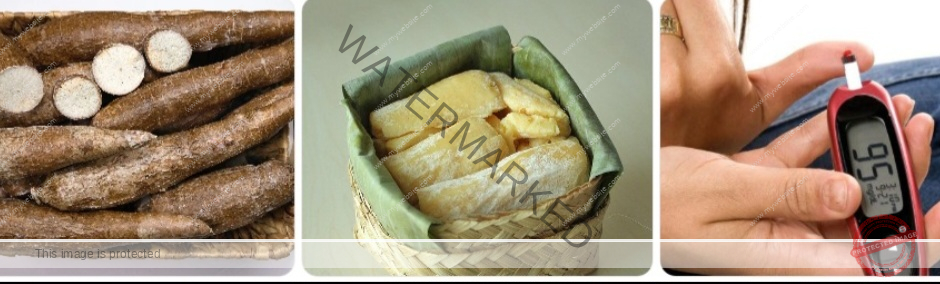


Cassava is an important food crop and a legitimate subject of nutritional and biochemical research. However, there is currently no scientifically validated cassava-based cure or reversal therapy for Type 2 diabetes.
By The Independentistnews Health Desk
In recent months, social media posts have circulated claims that a cassava-derived compound from Ghana can reverse Type 2 diabetes in the majority of patients—often accompanied by allegations of pharmaceutical lawsuits and regulatory suppression. These claims are compelling, but they deserve careful scientific scrutiny.
Understanding the Claim
The viral narrative asserts that researchers isolated a compound from fermented cassava capable of restoring insulin sensitivity and pancreatic beta-cell function, leading to diabetes remission in more than two-thirds of participants within six months. It further claims large, successful human trials, no side effects, and opposition from pharmaceutical companies and regulators. At present, these specific claims are not supported by credible, peer-reviewed evidence.
What Science Does Support About Cassava
Cassava (Manihot esculenta) is a staple food across West Africa and parts of Latin America and Asia. It is rich in carbohydrates and contains various phytochemicals. Scientific studies have explored cassava—particularly its leaves and fermented products—for potential metabolic effects:
Laboratory and animal studies suggest some cassava compounds may influence glucose metabolism or inhibit carbohydrate-digesting enzymes. Dietary studies examine how cassava-based foods affect post-meal blood sugar responses.
Traditional knowledge recognizes cassava’s nutritional role, but traditional use does not equal clinical proof of disease reversal. These lines of research are exploratory, not confirmatory. They do not demonstrate that cassava—or any isolated cassava compound—can reverse Type 2 diabetes in humans.
What Is Not Proven
There is no verified compound with the reported name or effects that has been clinically validated in large human trials. There are no published studies showing remission rates or blood-glucose reductions of the magnitude claimed. There is no public record of lawsuits by pharmaceutical companies in Ghana over cassava-based diabetes treatments. Regulatory agencies have not reviewed or rejected a cassava-derived diabetes therapy with such results.
Why Misinformation Spreads
Health misinformation often combines three powerful elements: A familiar natural food, A serious chronic disease with high treatment costs, A David-versus-Goliath storyline involving regulators or pharmaceutical companies.
While skepticism of rising healthcare costs is understandable, extraordinary medical claims require extraordinary evidence. An Evidence-Based Perspective on Diabetes Remission
Type 2 diabetes remission is possible for some individuals through: Sustained weight loss, Structured dietary changes, Regular physical activity, In some cases, bariatric surgery. These outcomes are documented in rigorous clinical studies—but they are not linked to a single plant extract or supplement.
The Bottom Line
Cassava is an important food crop and a legitimate subject of nutritional and biochemical research. However, there is currently no scientifically validated cassava-based cure or reversal therapy for Type 2 diabetes. Claims suggesting otherwise should be approached with caution until supported by transparent, peer-reviewed clinical evidence. For people living with diabetes, informed decisions are built on verified science—not viral hype.
The Independentistnews Health Desk