












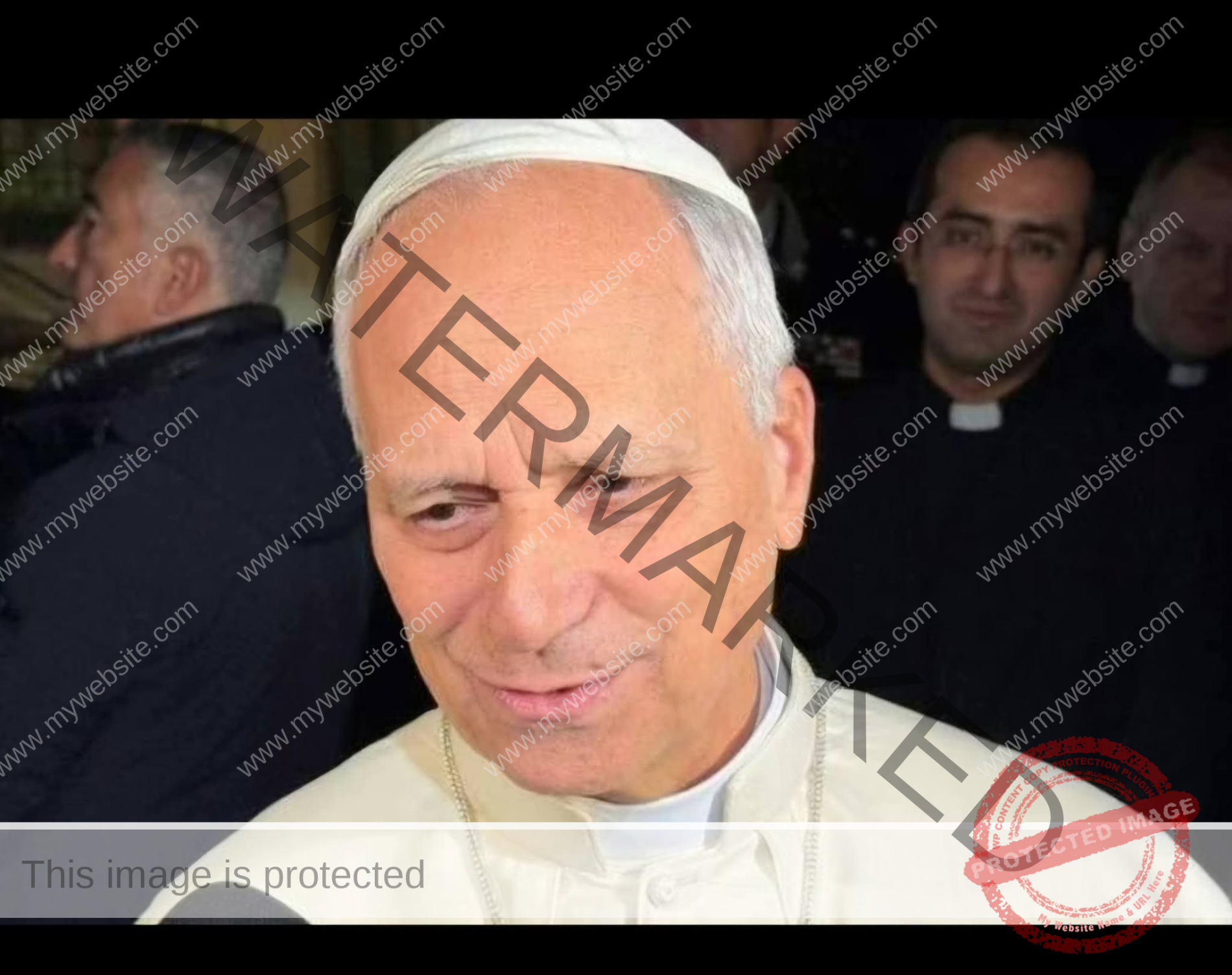
From the hills of Bui and Boyo to the plains of Manyu, Ndian, and Meme, from Fako to Lebialem, and across all 13 Counties and their 61 Local Government Areas, this moment should be approached with dignity, calm, and unity. Our communities have endured years of hardship, displacement, and uncertainty, yet the spirit of our people has not been broken.
By Ali Dan Ismael, Editor-in-Chief, The Independentistnews
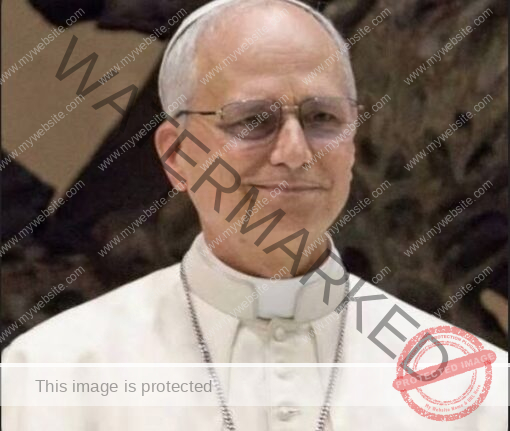
The recent letter from a concerned patriot in Bui reflects a sentiment shared by many across Southern Cameroons: vigilance in the face of history. The writer raises thoughtful concerns about the historical relationship between the Vatican and the French Republic and whether such dynamics could influence present events surrounding the forthcoming visit of His Holiness Pope Leo XIV to Bamenda.
Such vigilance is not misplaced. History indeed records periods when political power and religious authority intersected in ways that shaped the course of nations. Episodes involving medieval French monarchs and the Papacy remind us that institutions, like states themselves, operate within political realities.
Yet history also teaches another lesson: not every historical pattern repeats itself in the same form.
The modern Vatican operates in a vastly different international environment than that of medieval Europe. Today, the Holy See acts primarily as a moral voice in global affairs, often advocating peace, dialogue, humanitarian relief, and reconciliation in areas affected by conflict.
For this reason, the visit of His Holiness to Bamenda should be viewed with careful reflection rather than immediate suspicion.
Indeed, the very fact that the Pope will step onto the soil of Southern Cameroons may carry significance beyond ordinary diplomacy. For many people of faith, such a moment can be understood not simply as political choreography but as providence. The presence of the head of the Catholic Church in a region that has endured years of violence and humanitarian suffering inevitably draws international attention.
In that sense, the visit itself may become a moment that shines a brighter global light on the reality of the conflict than many diplomatic efforts have achieved in the past.
It is also important to recognize that such a visit is not necessarily the product of the political wishes of La République du Cameroun alone. The decision ultimately reflects the pastoral discretion and moral authority of His Holiness Pope Leo XIV.
His intellectual formation and cultural outlook emerge from traditions that share important affinities with the common law legal culture historically familiar to the people of Southern Cameroons. While this fact alone cannot determine the outcome of diplomatic engagements, it does suggest that the legal and historical sensitivities surrounding the conflict may not be entirely unfamiliar to him.
At the same time, prudence requires honesty. No one can predict what conversations may occur between His Holiness and the authorities in Yaoundé. Diplomatic dialogue often unfolds quietly, away from public view.
What can reasonably be said, however, is that this visit is unlikely to be a simple ceremonial gathering or a moment of political comfort. Wherever the Pope travels in regions marked by human suffering, his presence tends to raise unavoidable questions about justice, peace, and the dignity of the affected population.
It is also important to remember that the political question of Southern Cameroons did not begin with the current conflict. The territory entered into a complex constitutional relationship in 1961 following the United Nations–supervised plebiscite and the subsequent United Nations General Assembly Resolution 1608 (XV), which acknowledged the need for constitutional arrangements between the two territories. The interpretation and implementation of that resolution have remained the subject of legal and historical debate for decades, shaping much of the contemporary discussion about self-determination and political status.
For the people of Southern Cameroons, therefore, the appropriate posture is neither fear nor blind expectation, but calm vigilance combined with measured hope.
From the hills of Bui and Boyo to the plains of Manyu, Ndian, and Meme, from Fako to Lebialem, and across all 13 Counties and their 61 Local Government Areas, this moment should be approached with dignity, calm, and unity. Our communities have endured years of hardship, displacement, and uncertainty, yet the spirit of our people has not been broken. If the visit of His Holiness shines even a brief light on the suffering of our towns, villages, churches, and families, then the world will be reminded that this is not merely a forgotten conflict but the lived reality of a people seeking justice and peace.
In doing so, the visit may also draw renewed international attention to a question that has lingered in diplomatic and legal discussions for generations: whether the process that followed the 1961 plebiscite fully resolved the political future of Southern Cameroons or whether aspects of that transition remain part of what many scholars describe as an unfinished chapter in the broader history of decolonization.
History calls for vigilance. Faith calls for patience. Diplomacy calls for wisdom.
The people of Southern Cameroons must therefore remain calm, attentive, and united—ready to welcome the attention of the world while remaining steadfast in their pursuit of dignity, justice, and a lasting resolution to the conflict.
Ali Dan Ismael Editor-in-Chief



Leave feedback about this