

Africa is changing. The challenge for leaders across the continent is to ensure that these changes are guided not by conflict, but by dialogue, justice, and the democratic aspirations of the people. The future belongs to societies that embrace justice, accountability, and the right of peoples to determine their own destiny.
By Ali Dan Ismael Editor-in-Chief The Independentist News
The years 2022 to 2025 may well be remembered as a turning point in Africa’s post-colonial history. From Mali’s expulsion of French troops in 2022 to Côte d’Ivoire’s assumption of control over France’s last military base in the country in 2025, a clear message has emerged across the continent: African peoples and governments are increasingly determined to chart their own course.
This wave of political and strategic realignment is not merely about military bases. It is about sovereignty. It is about the right of nations and peoples to determine their future without external domination or inherited political arrangements that no longer reflect contemporary realities.
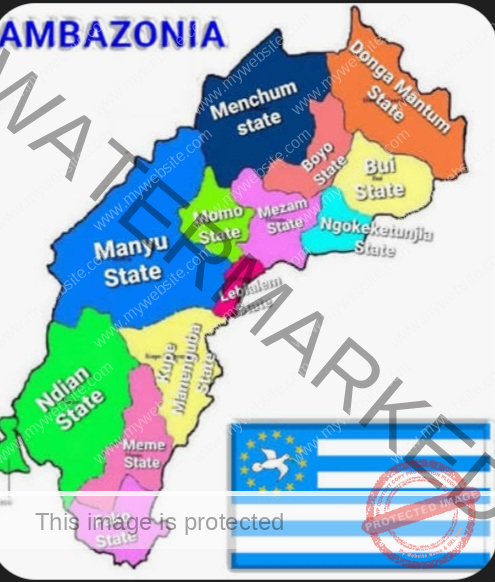
For Ambazonians, these developments carry profound significance. Since the outbreak of the Southern Cameroons crisis in 2017, the people of Ambazonia have consistently argued that questions of self-determination, political autonomy, and democratic consent cannot be ignored indefinitely. While the circumstances surrounding the developments in Mali, Burkina Faso, Niger, Senegal, Chad, and Côte d’Ivoire differ from those of Ambazonia, the underlying principle remains the same: people are demanding a greater voice in shaping their political destiny.
Across Africa, old assumptions are being challenged. Governments once considered permanent allies of former colonial powers are redefining their relationships. Security partnerships are being reassessed. Political loyalties are shifting. Most importantly, African populations are increasingly questioning structures that were imposed, inherited, or maintained without their full participation.
The lesson for the international community is clear. Stability cannot be achieved through force alone, nor can historical grievances be suppressed indefinitely. Genuine peace requires dialogue, justice, and respect for the aspirations of affected populations.
For Ambazonia, the changing African landscape offers an important reminder. The struggle for recognition and self-determination exists within a broader continental movement toward political agency and sovereignty. As Africa enters a more multipolar era, the voices of peoples seeking meaningful participation in determining their future will become increasingly difficult to ignore.
History shows that political realities evolve. The events unfolding across West Africa between 2022 and 2025 demonstrate that arrangements once viewed as untouchable can change when confronted by the determined will of a people. Whether one agrees or disagrees with the Ambazonian cause, the broader question of self-determination remains one of the defining issues of our time.
Africa is changing. The challenge for leaders across the continent is to ensure that these changes are guided not by conflict, but by dialogue, justice, and the democratic aspirations of the people. The future belongs to societies that embrace justice, accountability, and the right of peoples to determine their own destiny.
Ali Dan Ismael Editor-in-Chief The Independentist News