



History will not ask whether Africa was protected. It will ask whether Africa was free. Chains that are invisible are still chains, and the first step to breaking them is calling them by name.
By M C FOLO The independentistnews contributor
Africa is often told it lives in a post-colonial world.
But anyone who controls your currency, your security, or your political choices still controls you.
The chains did not disappear. They simply became harder to see.
Today’s African power struggle is not between democracy and dictatorship, nor between East and West. It is between sovereignty and supervision, between nations willing to risk self-rule and elites content to outsource responsibility. When permission replaces power, independence becomes a ceremony, not a reality.
The Comfort of Protection
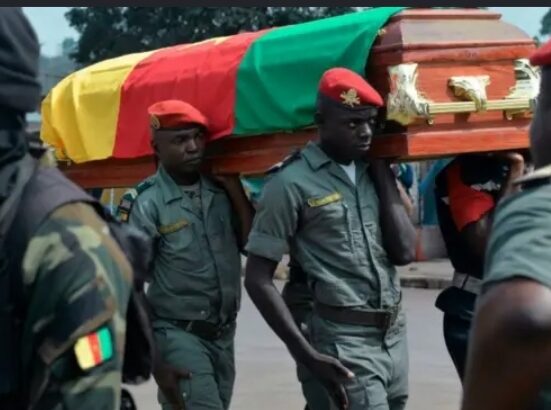
Western “protection” is marketed as stability. Military bases promise security. Aid promises development. Trade agreements promise opportunity. Yet decades on, Africa remains rich in resources and poor in outcomes. If protection works, why do conflicts cluster around foreign bases? If aid develops, why does dependency deepen? If trade is fair, why does wealth exit faster than it enters? Because protection is never free. It demands alignment, silence, and compliance. Security that requires obedience is not security; it is leverage.
The Local Custodians of Dependency
External dominance survives in Africa not because of foreign power alone, but because it is enforced internally. A class of African elites has learned to govern upward rather than outward, answering to donors, investors, and foreign capitals while managing their own citizens with repression and rhetoric. They speak the language of pragmatism: “This is how the world works.” But pragmatism that sacrifices dignity becomes collaboration. The most efficient form of control is the one outsourced to locals.
The Myth of Readiness
Africa is repeatedly told it is “not ready” for full economic and political independence. Not ready to control its currency. Not ready to secure itself. Not ready to negotiate on equal terms. Yet no nation has ever been ready before it was independent.
Readiness is not a prerequisite for sovereignty; it is its product. You do not learn to walk by being carried forever.
The Risk We Refuse to Take
Breaking free from entrenched systems is risky. Mistakes will be made. Institutions will strain. Leaders will fail. But dependency carries its own certainty: permanent vulnerability. Africa has tried stability without sovereignty. It has not yet fully tried sovereignty with accountability. Independence is dangerous. Dependency is terminal.
A Pan-African Exit
The solution is neither isolation nor antagonism. Africa does not need new patrons to replace old ones. What it needs is leverage, economic, political, and moral, built through Pan-African cooperation.
A continent that negotiates together is not easily managed. A divided Africa is always discounted. Unity is Africa’s only unfair advantage.
The Question That Matters
The future of Africa will not be decided in Washington, Paris, Beijing, or Moscow. It will be decided in African capitals and in whether power is exercised for citizens or over them. History will not ask whether Africa was protected. It will ask whether Africa was free. Chains that are invisible are still chains, and the first step to breaking them is calling them by name.
M C FOLO