











Trump’s Africa policy was not sentimental. It was hard-edged, selective, and unsparing. But it also stripped away illusions. It replaced the language of pity with the language of power—economic, institutional, and sovereign. For Ambazonia, this offers a sobering opportunity. In a world where Washington no longer confuses aid with respect, the path forward is narrower—but more honest. Those who can govern will be engaged.
By Dr. Martin Mungwa For The Independentistnews
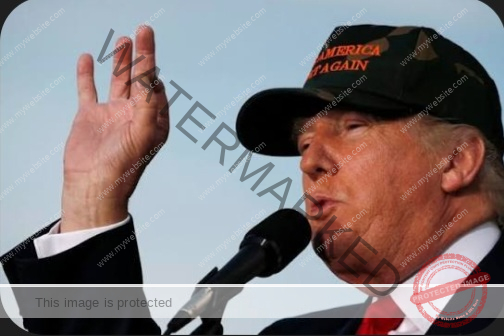
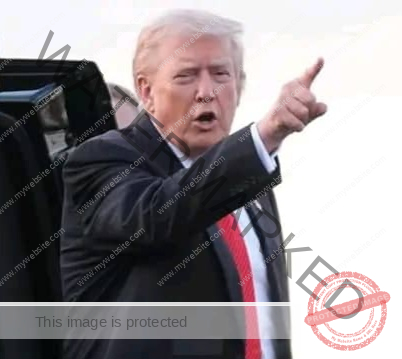
By the time most Africans encountered Donald Trump’s foreign policy, it had already been caricatured as indifferent, transactional, or worse. Yet beneath the noise lay a clear—and for Africa, consequential—reframing: Africa would no longer be treated as a moral project. It would be treated as a strategic partner, selectively, on the basis of capacity and sovereignty. That distinction matters. It explains both Trump’s approach to Africa and why the Ambazonian struggle, properly understood, fits more naturally within it than many realize.
From Aid to Agency
Trump’s Africa policy rejected the post–Cold War consensus that equated engagement with aid, lectures on liberal ideology, and endless humanitarian management. The diagnosis was blunt: aid dependency corrodes sovereignty. It substitutes NGO governance for state capacity, moral posturing for investment discipline, and sympathy for strategy.
Instead, the administration emphasized: Trade and investment over aid, Energy and critical minerals over abstract development goals, Conflict mediation without long-term U.S. military entanglement, and Partnerships only with capable, reliable states willing to open markets and secure territory. This was not neglect. It was a wager that sovereignty grows out of competence, not declarations.
Sovereignty Without Sermons
Unlike previous administrations, Trump did not seek to remake African societies in America’s image. He showed similar restraint in the Middle East—working with governments “as they are,” not as Washington wished them to be. In Africa, this translated into a quiet but radical shift: no ideological preconditions, but no blank checks either.
Democracy was not abandoned; it was de-instrumentalized. Reform was welcomed when organic, not imposed. The message was consistent: if you can govern, secure your space, and trade fairly, the United States is interested. For Africa’s emerging and contested polities, this was a stark recalibration. It rewarded seriousness. It penalized theatrical victimhood.
Where Ambazonia Fits
This is where Ambazonia enters the frame—not as a humanitarian cause, but as a test case for Trump’s sovereignty logic. Ambazonia has long argued that its conflict with Cameroon is not merely about rights abuses but about denied political existence—a people trapped in a post-colonial structure that nullified their self-government. Under Trump’s framework, that argument gains traction only if it moves beyond moral appeal and demonstrates three things:
Capacity – the ability to administer territory, protect civilians, and sustain institutions without foreign micromanagement.
Strategic clarity – a vision aligned with regional stability, not perpetual insurgency or ideological adventurism.
Economic viability – readiness to participate in trade, energy development, and lawful resource governance.
Trump’s Africa policy would not automatically bless Ambazonia. But it would ask a different question than previous administrations: Can you function as a state?
The End of Performative Solidarity
Under this doctrine, slogans do not confer legitimacy. Nor does suffering alone. The era of performative solidarity—where African causes were applauded rhetorically while structurally ignored—was quietly closing. That reality is uncomfortable, but it is also clarifying. It means that liberation movements serious about international recognition must think like states before they are treated as such. They must show restraint where chaos is tempting, discipline where emotion runs high, and institution-building where symbolism once sufficed.
A Harder, Clearer World
Trump’s Africa policy was not sentimental. It was hard-edged, selective, and unsparing. But it also stripped away illusions. It replaced the language of pity with the language of power—economic, institutional, and sovereign.
For Ambazonia, this offers a sobering opportunity. In a world where Washington no longer confuses aid with respect, the path forward is narrower—but more honest. Those who can govern will be engaged. Those who cannot will be managed, or ignored. That is not cruelty. It is clarity. And for Africa—long spoken for, spoken over, and spoken down to—clarity may yet prove the first step toward genuine sovereignty.
Dr. Martin Mungwa



Leave feedback about this