









News commentary

We are home to news on Cameroon and the CEMAC region. We are dedicated to honest and reliable reporting. We are the voice of the Cameroonian people and their fight for freedom and democracy at a time when the Yaoundé government is silencing dissent and suppressing democratic voices.

Continued engagement, dialogue, and credible policy responses will be essential in shaping a future defined less by recurring cycles of crisis and more by shared prospects for peace and development.
By Carl Sanders, The Independentistnews Guest Writer, , Soho, London
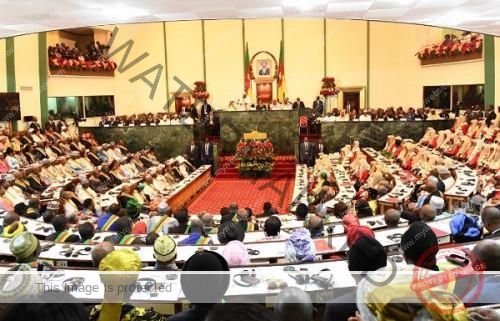
YAOUNDÉ – March 18, 2026 – Recent leadership changes within national legislative institutions have generated significant media attention and political commentary. While official narratives emphasise renewal and institutional continuity, many observers in conflict-affected regions argue that such developments have limited impact on the realities faced by local populations. Issues such as insecurity, displacement, and economic disruption remain central concerns, shaping how political events in the capital are perceived at the grassroots level.
The redistribution of high-level political roles among established elite groups is often interpreted through the lens of internal power balancing. For some analysts, these adjustments reflect efforts to maintain cohesion within ruling coalitions rather than to introduce substantive policy change. As a result, scepticism persists among communities that feel their grievances have not been adequately addressed through formal political processes or previous dialogue initiatives.
Public reactions also highlight broader questions about representation, accountability, and the responsiveness of national institutions. Critics contend that parliamentary proceedings sometimes prioritise ceremonial affirmation of leadership over meaningful engagement with urgent humanitarian and governance challenges. Supporters of reform, however, argue that incremental institutional change remains a necessary pathway toward stability, even if progress appears slow or uneven.
Conclusion: Focus Beyond Political Symbolism
The contrast between political developments at the centre and lived realities in peripheral regions underscores the complexity of achieving durable solutions in divided societies. For many stakeholders, the priority remains sustained attention to security, economic recovery, and inclusive governance arrangements that can rebuild trust across communities.
Ultimately, the trajectory of political movements and state reforms will depend on whether symbolic shifts can evolve into tangible improvements in public welfare. Continued engagement, dialogue, and credible policy responses will be essential in shaping a future defined less by recurring cycles of crisis and more by shared prospects for peace and development.
Carl Sanders, The Independentistnews Guest Writer
Share This Post:
Cameroon In a Significant Jurisdictional Turning Point: The Supreme Court Quashes the Court of Appeal Judgment and Orders a Rehearing in the NERA 10 Case
Old Wine, New Calabash: Reflections on Parliamentary Change and Political Continuity
Related Post
THE SUPREME COURT CAROUSEL: QUESTIONS OF JUSTICE AND DELAY
French Cameroon Justice System at the Crossroads: Selective Punishment,
Cameroon In a Significant Jurisdictional Turning Point: The Supreme
Old Wine, New Calabash: Reflections on Parliamentary Change and
OPEN LETTER TO THE NERA 10 DEFENCE TEAM: PUT
The Nera 10 Crossroads: A Nation on Trial, from