













Letter to the editor
Dear Editor,
I write to commend you for the many truth-seeking articles you have published since the inception of The Independentist. Your work continues to provide a valuable platform for reflection and debate on matters affecting the self-determination of the people of Southern Cameroons, also known as the Federal Republic of Ambazonia.
My concern, which I believe is shared by many who care about the future of our people, relates to the emerging question of “The Vatican and the French Republic.”
There are grounds for some to fear the possibility of Vatican collaboration with the French Republic in crafting and presenting a political approach that may ultimately deny the self-determination of Southern Cameroons. The question naturally arises: does the Vatican possess the political independence to resist the influence historically exercised by France? A brief look at history suggests that the relationship between the Papacy and French political authority has often been complex and intertwined.
Historical events between 1061 and 1073 illustrate how the Papacy and the French crown could align their interests in matters that were as political as they were religious. During this period, Pope Alexander II joined forces with the King of France in campaigns aimed at bringing certain Spanish churches more firmly under the authority of Rome. In this instance, political considerations clearly accompanied religious objectives.
The historical record also shows moments when the French crown exercised significant influence over church affairs. In 1193, Philip Augustus of France compelled French bishops to annul his legitimate marriage so that he could marry another woman. At the time, the Pope appeared unable to effectively discipline the French monarch, demonstrating the limits of papal authority when confronted with determined secular power. Meaningful change only emerged through pressure from the French population and the clergy.
Conversely, there were also moments when the Papacy exerted influence over French rulers. Around 1213, Pope Innocent III (1198–1216) encouraged the King of France to support the Papal position in the selection of the Roman Emperor. In that instance, the Pope’s preferred candidate prevailed, illustrating that the relationship between the two powers could work in either direction depending on the circumstances.
Another dramatic episode occurred in 1302, when Philip IV of France (Philip the Fair) openly challenged papal authority over taxation and the famous papal bull Unam Sanctum. French forces, supported by popular sentiment, briefly captured Pope Boniface VIII, humiliating the Papacy. The Pope died soon afterward. His successor, Clement V, was elected under strong French influence, and the papal court was relocated to Avignon, France, where it remained for nearly seventy years in what historians often describe as a period of significant French control over the Papacy.
These historical precedents inevitably raise questions for observers today.
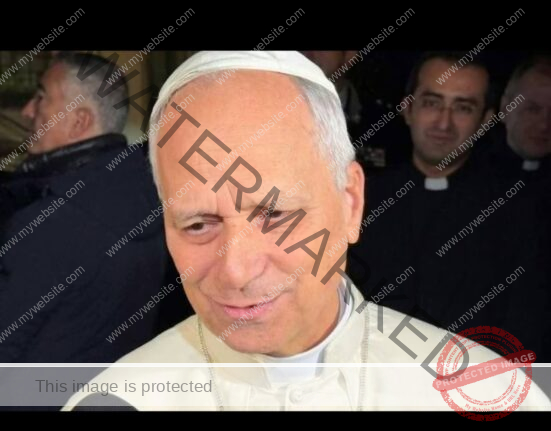
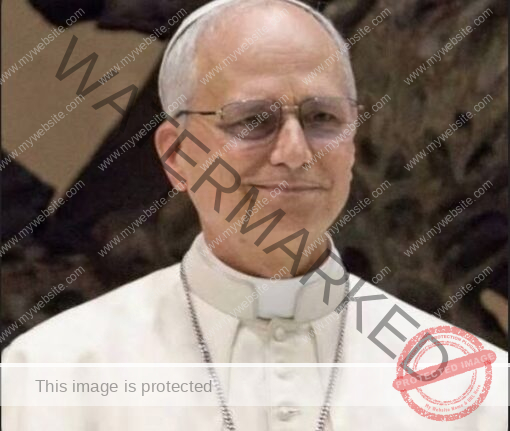
Cameroon remains deeply tied to France politically, economically, and militarily, and many argue that its independence has never been fully autonomous from French influence. The forthcoming visit of the Pope—invited by the government of Cameroon—has therefore generated concern among some Ambazonians. Recent exchanges of visits between Cameroonian ministers and Vatican officials, alongside the activities of foreign diplomats in Bamenda, are viewed by some as developments that warrant careful attention.
For many Ambazonians, the historical relationship between France and the Vatican raises legitimate questions about how external actors may approach the unresolved question of Southern Cameroons. Since 1961, the people of Southern Cameroons have struggled with the consequences of a political arrangement that many believe denied them their full right to self-determination.
Whether the Pope’s visit will restore confidence or deepen suspicion remains to be seen. Some observers have also raised questions regarding the actions and positions taken within the Archdiocese of Bamenda, which in recent times have generated controversy among sections of the population.
Whatever the outcome of this visit, one principle should remain clear: Ambazonia is not for sale. The people must remain calm, vigilant, and resolute in their pursuit of a just and lawful resolution to their political future. No speech or diplomatic gesture should divert them from the fundamental aspiration for dignity, justice, and genuine self-determination.
Respectfully,
A concerned reader from Bui


Leave feedback about this