










If your visit can serve as a bridge—encouraging meaningful negotiations, humanitarian relief, and protection of civilians—then it will strengthen both the Church’s credibility and the cause of peace.
By Concerned Faithfuls and Advocates for Peace February 2026
Your Holiness,
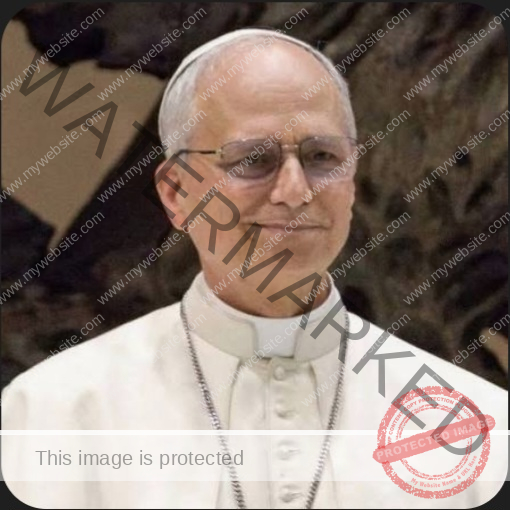
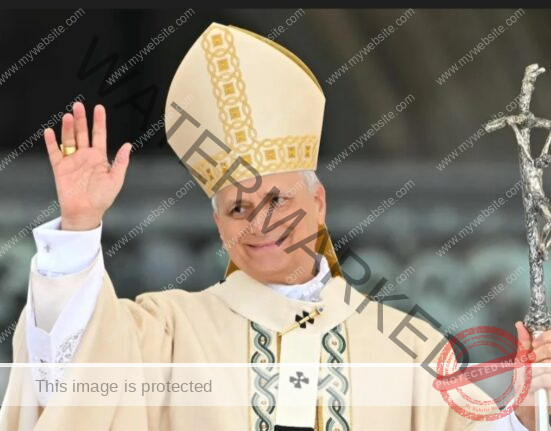
As you prepare to visit Bamenda, we write with profound respect for your sacred office and with sincere appreciation for the Church’s enduring commitment to peace, human dignity, and reconciliation across nations.
Your presence in any land carries immense moral weight. In regions marked by prolonged conflict, it also carries profound symbolic meaning.
For nearly a decade, the Anglophone regions of Cameroon have endured armed confrontation, displacement of civilians, destruction of villages, and deep societal trauma. Families remain divided, communities remain fractured, and trust in political institutions remains fragile. While recent efforts may seek to present an image of calm and restoration, many underlying grievances remain unresolved.
We respectfully submit that cosmetic normalization cannot substitute for substantive peace.
Your Holiness, the Church has historically stood not as an instrument of state power, but as a moral compass above political divides. In moments such as this, the faithful in Bamenda and beyond look to you not for endorsement of any government, but for affirmation of justice, truth, and the sanctity of human life.
There are several hopes many carry in their hearts: That the suffering of civilians will be acknowledged openly and compassionately.
That all parties will be urged toward genuine dialogue rather than symbolic gestures.
That the principles of self-determination, dignity, and human rights—rooted in both Catholic social teaching and international law—will not be overlooked.
That the Church’s presence will not be interpreted as validation of political arrangements still deeply contested by a significant portion of the population.
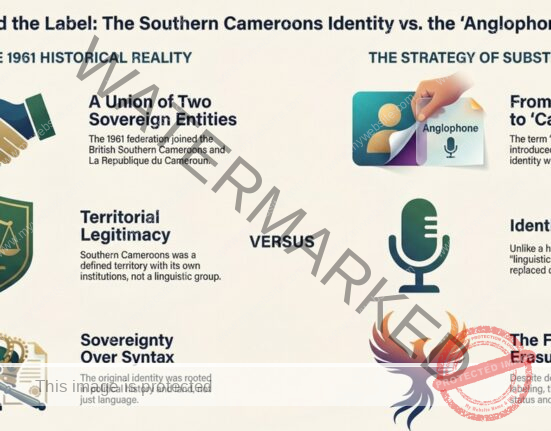
The historical questions surrounding the 1961 constitutional framework and the subsequent restructuring of governance remain central to the political debate. These matters are complex and sensitive. Yet silence on them risks being perceived as indifference to a people who feel unheard.
Your Holiness, many here do not seek confrontation. They seek moral clarity. They seek recognition that peace cannot rest solely on security measures, but must be built upon justice, dialogue, and mutual respect.
If your visit can serve as a bridge—encouraging meaningful negotiations, humanitarian relief, and protection of civilians—then it will strengthen both the Church’s credibility and the cause of peace.
We pray that your words in Bamenda will reflect the Church’s highest tradition: standing gently but firmly with the afflicted, while calling all leaders to conscience.
May your journey be guided by wisdom and may it open a path toward reconciliation grounded in truth.
With respect and prayer,
[Signed]
Concerned Faithfuls and Advocates for Peace



Leave feedback about this