










Commentary

We are home to news on Cameroon and the CEMAC region. We are dedicated to honest and reliable reporting. We are the voice of the Cameroonian people and their fight for freedom and democracy at a time when the Yaoundé government is silencing dissent and suppressing democratic voices.

The people have a right to ask hard questions, demand accountability, and expect that national assets be managed for the benefit of the country, not merely for the convenience of those in power. Public wealth must serve the public interest.
By Ali Dan Ismael Editor-in-chief The Independentist News
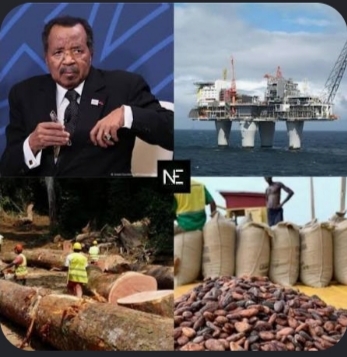
Recent discussions around Cameroon’s oil and gas sector raise an important public question: how are strategic national resources being managed, and in whose long-term interest?
Across Africa, citizens have learned that natural resources can generate wealth, but they can also generate controversy when public accountability is weak. Oil, gas, minerals, forests, and public enterprises are too important to be treated as matters for insiders alone. They affect national revenue, public investment, jobs, infrastructure, energy supply, and the welfare of future generations.
Cameroon is no exception. Any serious conversation about the country’s future must include open discussion about transparency, institutional responsibility, and the management of strategic assets. Citizens deserve to know whether public resources are being used to advance broad national interests or whether important decisions remain locked away from public scrutiny. This is not merely an economic issue. It is a governance issue. It is a development issue. It is a question of public trust.
Africa’s experience has shown that when citizens are excluded from understanding how national resources are managed, suspicion grows and confidence declines. But when governments manage public assets responsibly, transparently, and with long-term purpose, those resources can support stability, investment, and development.
Cameroon’s resource sector therefore deserves careful public attention. The people have a right to ask hard questions, demand accountability, and expect that national assets be managed for the benefit of the country, not merely for the convenience of those in power. Public wealth must serve the public interest.
Ali Dan Ismael Editor-in-chief The Independentist News
Share This Post:
THE MONDAY CORPSES, A DISTURBING OCCURRENCE IN BAMENDA: Questions arise
THE LONG STRUGGLE: REFLECTIONS ON ENDURANCE, SACRIFICE, AND THE POLITICS OF FATIGUE
Related Post
PROPHECY, POLITICS, AND THE AMBAZONIAN QUESTION (PART III) Why
WHEN YAOUNDÉ’S ALLIES SUDDENLY ENDORSE AYUK TABE: SOLIDARITY OR
THE SECOND RETURN: FROM THE PAIN OF SEPARATION TO
WHEN THE REGULATOR BENDS: WHAT THE VISION 4 AFFAIR
PROPHECY, POLITICS, AND THE AMBAZONIAN QUESTION (PART II) :
IF SOMALILAND MATTERS TO WASHINGTON, WHY NOT SOUTHERN CAMEROONS?