







News commentary

We are home to news on Cameroon and the CEMAC region. We are dedicated to honest and reliable reporting. We are the voice of the Cameroonian people and their fight for freedom and democracy at a time when the Yaoundé government is silencing dissent and suppressing democratic voices.

The lesson of Martinez Zogo is not simply that one man suffered. It is that a society that tolerates injustice against some will eventually discover that no one is truly beyond its reach. Justice cannot remain selective if it is to remain justice at all.
By Don Shaka
The Independentist News Contributor
A Courtroom Confronts Brutality
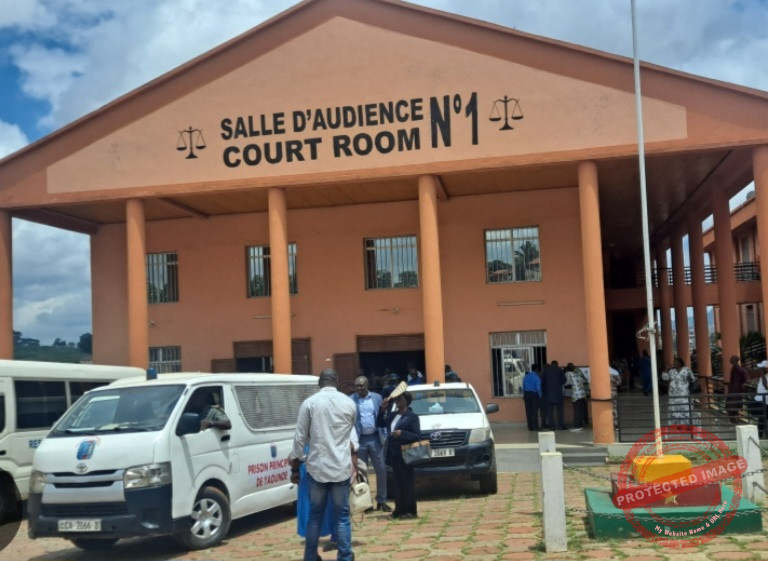
YAOUNDÉ — A video projected inside the Yaoundé Military Tribunal on 1 June 2026 offered a harrowing and deeply disturbing glimpse into the final moments of journalist Martinez Zogo. It was Presented as central evidence in the ongoing trial. The footage reportedly showed a man bound, brutalised, and pleading for mercy that never came. Those standing before the court continue to maintain their innocence, yet the images shown were enough to leave many in the courtroom visibly shaken.
For many observers in Yaoundé, the footage represented an unimaginable level of cruelty. Yet beyond the immediate horror lies a far more uncomfortable question. If Cameroonians are shocked today by what happened to Martinez Zogo, why has there been so little outrage over the countless reports of similar atrocities that have emerged from the conflict-ridden regions of Southern Cameroons (Ambazonia) over the past decade?
The Violence Beyond the Camera
What horrified the nation inside the tribunal is, according to many residents of the North West and South West territories, a familiar reality. The violence may not always have been recorded on video. The victims may not have carried the public profile of a nationally known journalist. Their names may never have appeared in international headlines. Yet allegations of torture, extrajudicial killings, disappearances, and inhumane treatment have been documented repeatedly by human rights organisations, religious leaders, civil society groups, and affected communities.
For years, countless stories have emerged from villages, towns, detention centres, and military operations across Southern Cameroons. Most never reached a courtroom. Many never reached the national conscience. Without cameras, witnesses, or influential advocates, their suffering remained largely invisible to the broader public.
The Politics of Visibility
The difference between Martinez Zogo and countless victims of the Anglophone conflict is not necessarily the brutality they suffered. Rather, it is the visibility of their suffering. Zogo’s death triggered a high-profile investigation, extensive media coverage, and ultimately a public judicial process. His family has been assured that his remains will be returned for a dignified burial once the legal proceedings are completed.
For many families affected by the conflict in Southern Cameroons, such closure remains elusive. The late journalist Samuel Wazizi, who died while in military custody, became a symbol of this painful reality. Years after his death, many questions surrounding his treatment and the circumstances of his passing remain unanswered. Across the conflict zones, thousands of families continue to search for truth regarding loved ones who disappeared, died in detention, or perished during military operations. Many have never received official explanations, accountability, or even the opportunity to bury their dead.
Selective Empathy and Unequal Justice
The scenes witnessed in the Yaoundé courtroom should therefore not be viewed merely as the story of one man or one crime. They raise larger questions about justice, accountability, and the value assigned to human life within Cameroon. If brutality is condemned only when it affects prominent individuals, then justice becomes selective. If outrage depends on geography, ethnicity, language, or political affiliation, then the very principles of human rights lose their universality.
The tragedy of Martinez Zogo deserves justice. His family deserves truth. His killers, whoever they may be, deserve to face the full weight of the law. Yet the same standard must apply to every victim, whether in Yaoundé, Bamenda, Buea, Kumba, Wum, or Mamfe. Human dignity cannot be divided into categories. A nation that mourns one victim while ignoring thousands of others risks normalising the very cruelty it claims to reject.
A Warning for the Nation
Ultimately, the Yaoundé tribunal offers more than evidence in a criminal case. It serves as a mirror reflecting a deeper national crisis. The images displayed before the court remind all Cameroonians that when human rights are sacrificed in the pursuit of power, insecurity eventually reaches everyone.
The lesson of Martinez Zogo is not simply that one man suffered. It is that a society that tolerates injustice against some will eventually discover that no one is truly beyond its reach. Justice cannot remain selective if it is to remain justice at all.
The Uncomfortable Reflection
Perhaps the most disturbing aspect of the tribunal is not what it reveals about a single crime, but what it reveals about a nation. The shock expressed in Yaoundé demonstrates that Cameroonians still possess the capacity to be horrified by cruelty. The challenge now is whether that moral outrage will extend beyond one victim and one courtroom.
Until every life carries equal value before the law, the images shown in the tribunal will remain more than evidence. They will remain a reflection of a deeper wound that Cameroon has yet to confront.
Don Shaka contributor
The Independentist News
Share This Post:
UNMASKING THE “FRIENDS OF AMBAZONIA”: QUESTIONS OF LOYALTY, STRATEGY, AND POLITICAL CONSEQUENCE
THE MEN BEHIND THE THRONE: WHO ARE FRANCK BIYA’S BUSINESS ANGELS?
Related Post
WHO SIGNED? WHO PAYS? SONARA, OLEMBÉ, and the Price
SPIRITUAL CHOKE POINT, Guidance, Gatekeeping, and the Recovery of
WHEN INDEPENDENCE BECOMES STATECRAFT: What Scotland, Wales and Ireland’s
Dr. Martin Mungwa publishes Southern Cameroons 2050 : why
Adelle Nazarian of the Western Journal calls on the
NKAMOUNA, WASHINGTON, AND THE NEW POLITICS OF AFRICA’S STRATEGIC