










Commentary

We are home to news on Cameroon and the CEMAC region. We are dedicated to honest and reliable reporting. We are the voice of the Cameroonian people and their fight for freedom and democracy at a time when the Yaoundé government is silencing dissent and suppressing democratic voices.

What is clear is that the conversation in Washington is becoming more nuanced. The future of U.S.–Cameroon relations is likely to be shaped not only by security cooperation but also by questions of governance, reconciliation, and long-term development
By Timothy Enongene, Guest Editor-in-Chief, The Independentistnews
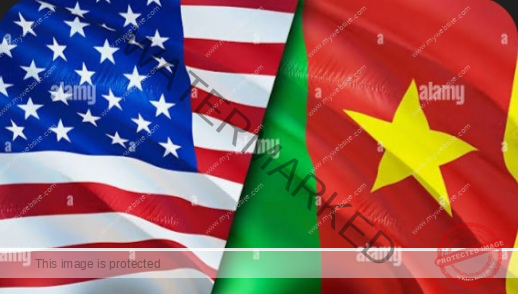
YAOUNDÉ – March 10, 2026 – For many years, relations between the United States and Cameroon were shaped by security cooperation, particularly in efforts to counter violent extremist groups in the Lake Chad Basin. However, recent statements from senior policymakers in Washington suggest a more critical review of that relationship may be underway.
Senator Jim Risch, Chairman of the U.S. Senate Foreign Relations Committee, has publicly called for a “fundamental reassessment” of U.S. ties with Cameroon. His remarks reflect broader concerns in parts of the U.S. policy community regarding governance, political freedoms, and the long-term stability of the country. Some lawmakers have argued that unresolved internal tensions and governance challenges could have wider regional and security implications.
These criticisms are not occurring in isolation. Over the past several years, debates within Washington have increasingly focused on how best to balance counter-terrorism partnerships with human rights considerations and democratic accountability. For some observers, the discussion represents a shift away from viewing Cameroon primarily through a security lens toward a more complex evaluation of political and humanitarian realities.
A Changing Policy Conversation
Analysts note that such reassessments often reflect evolving priorities rather than abrupt policy reversals. While security cooperation remains important, there is growing recognition that sustainable stability requires addressing underlying grievances, strengthening institutions, and supporting inclusive dialogue processes.
For communities affected by ongoing tensions, signals of renewed international attention can carry symbolic weight. They may be interpreted as an opportunity to encourage broader diplomatic engagement, humanitarian support, and confidence-building measures among all stakeholders.
Looking Ahead
Whether these discussions translate into concrete policy changes will depend on multiple factors, including regional security dynamics, domestic political developments in Cameroon, and the priorities of the U.S. administration and Congress.
What is clear is that the conversation in Washington is becoming more nuanced. The future of U.S.–Cameroon relations is likely to be shaped not only by security cooperation but also by questions of governance, reconciliation, and long-term development — issues that many believe are essential to building lasting peace.
Timothy Enongene, Guest Editor-in-Chief, The Independentistnews
Share This Post:
The Noose Tightens? Debates Over Potential Sanctions and International Accountability
The Diplomatic Counter-Offensive: Competing Narratives and the Quest for Credibility
Related Post
IS THE WORLD LISTENING: THREE DAYS FOUR FRONTLINES, ASA
SEPTEMBER 24, 1965, THIS DAY IN HISTORY: From Equal
AMBAZONIA’S WAR- IS BIGGER THAN YAOUNDÉ: BRITAIN, FRANCE AND
THE DAY SEPTEMBER 22 1961: — WHAT AMBAZONIA CAN
TRUMP’S “SUPER INTELLIGENCE” ERA: WHAT IT REALLY MEANS —
Why Is Ambazonia More Powerful Than many Imagine.