








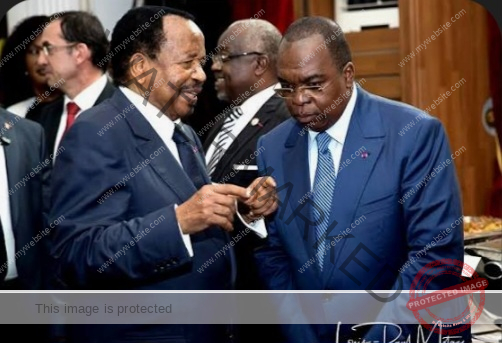
For Cameroon, the borrowing plans of 2026 may therefore represent more than a fiscal strategy. They may also signal a pivotal moment in the broader debate about the country’s political future, economic stability, and the urgent need for solutions that move beyond the cycle of conflict.
By Carl Sanders, Guest Contributor, The Independentistnews, Soho, London
YAOUNDÉ – 9 March 2026 – The government in Yaoundé has unveiled its ambitious 2026 borrowing plan, seeking approximately CFA 1,650 billion from domestic and international markets. Officially, the program is framed as a strategy to finance infrastructure, public investment, and budget stabilization. Yet for many observers—particularly those following the ongoing conflict affecting the former Southern Cameroons—these financial decisions raise deeper questions about the sustainability of the country’s fiscal path.
Over the past decade, Cameroon’s public finances have come under increasing strain. Security expenditures have risen significantly as the government has attempted to manage multiple pressures, including the conflict in the Anglophone regions, security challenges in the Far North, and broader economic obligations. These pressures have forced the state to rely more heavily on borrowing to maintain budget stability and meet development commitments.
Supporters of the Ambazonian cause argue that the conflict has become not only a humanitarian crisis but also a growing economic burden for the Cameroonian state. They contend that the continued reliance on military solutions diverts resources from education, healthcare, and economic recovery—sectors that are already under pressure.
From a financial standpoint, Cameroon’s obligations are indeed mounting. The country faces significant repayment schedules, including hundreds of billions of CFA francs in upcoming obligations tied to international financial arrangements. Credit agencies have also expressed caution regarding the country’s outlook, reflecting concerns about fiscal sustainability and external vulnerabilities.
Borrowing itself is not unusual for developing economies pursuing growth and infrastructure. However, economists often warn that when debt accumulates during periods of prolonged political or security crises, repayment capacity can become more fragile. If economic growth slows while debt obligations increase, governments may find themselves trapped in a cycle of refinancing old debts with new borrowing.
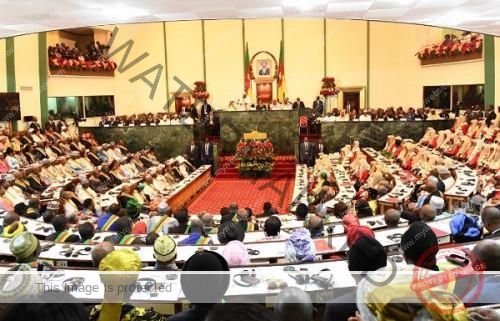
This broader concern has begun to surface even within Cameroon’s domestic political discourse. Reports of delays in certain government payments and growing pressure on public finances have sparked debates among lawmakers and policy analysts about fiscal priorities and governance.
For critics of the current political approach, the issue is not simply the size of the borrowing plan but the strategic direction behind it. They argue that long-term stability cannot be financed solely through debt instruments while the underlying political conflict remains unresolved.
At its core, the financial debate reflects a deeper national question: whether the country’s resources should continue to be absorbed by prolonged confrontation, or redirected toward dialogue, reconstruction, and inclusive development.
History has shown that wars—especially internal conflicts—rarely end through economic exhaustion alone. But financial pressure often becomes the moment when governments, societies, and international partners begin to reconsider the true cost of prolonged confrontation.
For Cameroon, the borrowing plans of 2026 may therefore represent more than a fiscal strategy. They may also signal a pivotal moment in the broader debate about the country’s political future, economic stability, and the urgent need for solutions that move beyond the cycle of conflict.
Carl Sanders, Guest Contributor, The Independentistnews,



Leave feedback about this