










Commentary

We are home to news on Cameroon and the CEMAC region. We are dedicated to honest and reliable reporting. We are the voice of the Cameroonian people and their fight for freedom and democracy at a time when the Yaoundé government is silencing dissent and suppressing democratic voices.

For supporters of the broader Ambazonian cause, however, the central issue remains unchanged: the aspiration for dignity, recognition, and a political future that reflects the will of the people in the territory historically known as Southern Cameroons
By Timothy Enongene, Guest Editor-in-Chief The Independentistnews.
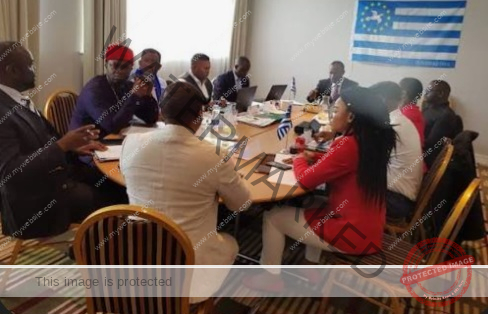
BRUSSELS – 6 March 2026 – The recent detention of several individuals linked to the Ambazonia Defence Forces (ADF) in Belgium has generated intense reactions across the Ambazonian diaspora and within communities in the homeland. While some commentators aligned with Yaoundé have portrayed these arrests as a decisive blow to the broader movement, many supporters of the Ambazonian cause see the moment differently. For them, it raises difficult but necessary questions about leadership, accountability, and the future direction of the struggle.
For years, debates have simmered within the movement regarding the role of diaspora-based leadership and the relationship between commanders abroad and self-defense fighters operating on the ground in the Midland, Savannah, and Atlantic zones. Critics have argued that distance from the realities of the conflict sometimes led to decisions that did not reflect the needs of communities directly affected by the violence.
Supporters of these concerns say that the current investigations may represent a form of internal reckoning rather than the collapse of a cause. They contend that any movement seeking legitimacy—both domestically and internationally—must demonstrate transparency in leadership, responsible management of resources, and respect for the civilians whose welfare lies at the heart of the struggle.
At the same time, it is important to recognize that many of the allegations circulating within political discourse remain contested. Legal proceedings in Europe will ultimately determine the facts surrounding the cases now under investigation. Until then, caution and fairness remain essential when discussing individuals and events tied to a complex and emotionally charged conflict.
Within the movement’s own history, incidents such as the deaths associated with figures like Mbah Ivo, the group widely referred to as the Guzang 13, and the controversial figure known as Big Number have fueled long-standing debates about internal discipline and leadership responsibility. For many observers, these episodes symbolize deeper tensions that have existed within the resistance for several years.
For supporters of the broader Ambazonian cause, however, the central issue remains unchanged: the aspiration for dignity, recognition, and a political future that reflects the will of the people in the territory historically known as Southern Cameroons.
Moments of crisis have often forced political movements throughout history to reassess their structures and renew their commitment to their founding principles. Whether the events unfolding in Europe will ultimately serve as such a turning point remains to be seen.
What is clear is that the struggle has entered a new phase—one where questions of legitimacy, accountability, and discipline will likely shape its trajectory as much as the political conflict itself.
If the movement is to retain moral authority, many believe it must continue to evolve, ensuring that the sacrifices made by ordinary people over the years are honored through leadership that is responsible, transparent, and committed to the long-term well-being of the communities it claims to defend.
Timothy Enongene, Guest Editor-in-Chief
Share This Post:
Women’s Day 2026 – The Search for Justice in a Land Scarred by Conflict
CAUTION: The Self-Defense Fighters in Bui and Momo – A Call for Reflection and Responsibility
Related Post
IS THE WORLD LISTENING: THREE DAYS FOUR FRONTLINES, ASA
SEPTEMBER 24, 1965, THIS DAY IN HISTORY: From Equal
AMBAZONIA’S WAR- IS BIGGER THAN YAOUNDÉ: BRITAIN, FRANCE AND
THE DAY SEPTEMBER 22 1961: — WHAT AMBAZONIA CAN
TRUMP’S “SUPER INTELLIGENCE” ERA: WHAT IT REALLY MEANS —
Why Is Ambazonia More Powerful Than many Imagine.