










Legal commentary

We are home to news on Cameroon and the CEMAC region. We are dedicated to honest and reliable reporting. We are the voice of the Cameroonian people and their fight for freedom and democracy at a time when the Yaoundé government is silencing dissent and suppressing democratic voices.

Justice must not only punish wrongdoing. It must demonstrate balance. When protest appears to cost more than killing, the question is no longer political. It becomes legal — and moral.
By Ali Dan Ismael, Editor-in-Chief The Independentistnews
Justice is not measured by speeches. It is measured by sentences. In Cameroon, two cases have come to define an uncomfortable national conversation about proportionality, accountability, and the rule of law: the case of activist Mancho Bibixy and the verdict delivered in the Ngarbuh massacre. Placed side by side, they present a troubling contrast.
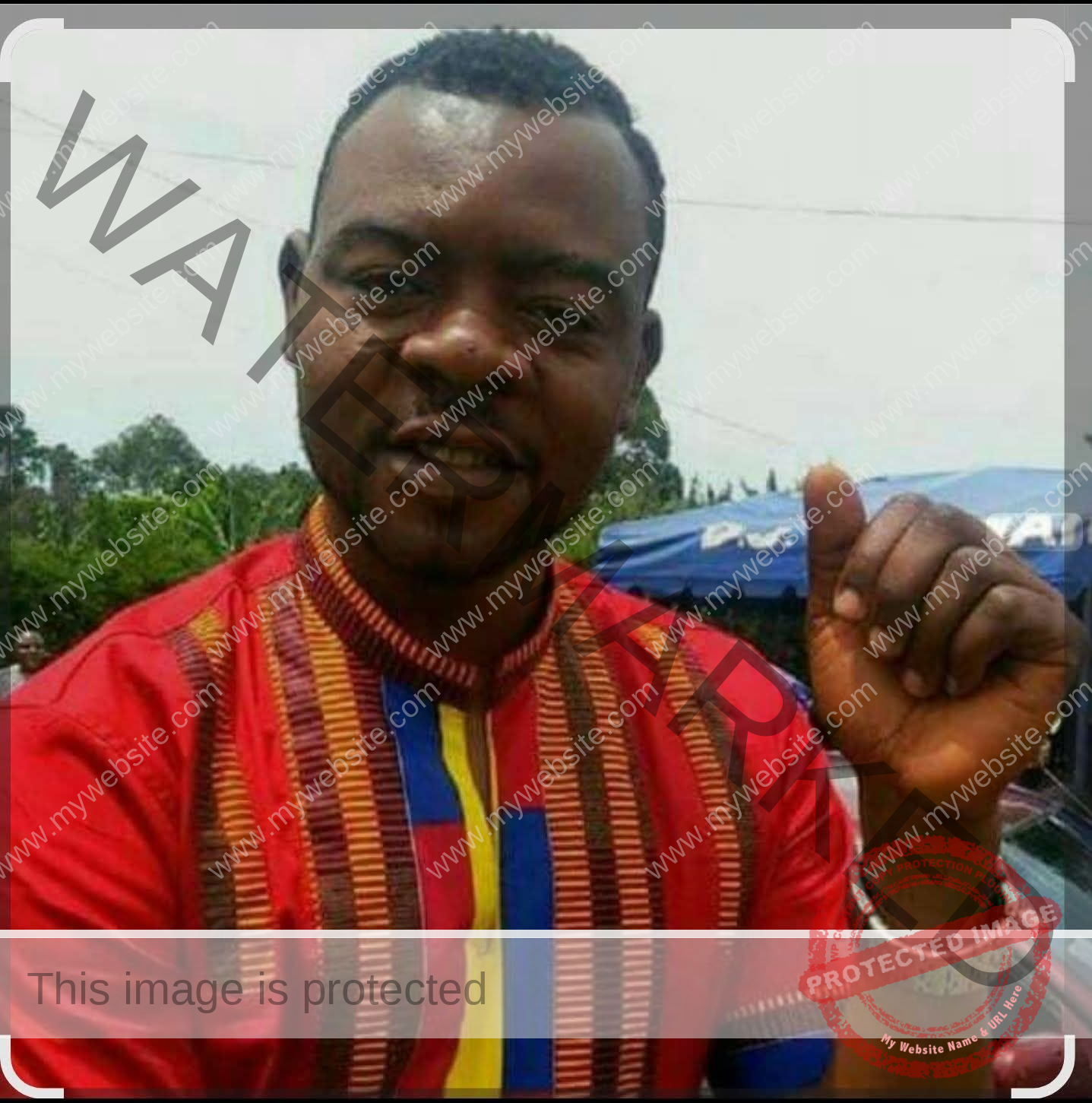
In 2017, Mancho Bibixy, a radio presenter in Bamenda, joined public demonstrations. The grievances were not abstract. Citizens complained about deteriorating infrastructure, dangerous roads, and longstanding marginalization in the Anglophone regions. Road accidents had taken lives. Frustration had grown. Protest became the language of the unheard.
Bibixy was arrested, charged under Cameroon’s anti-terrorism law, tried before a military tribunal, and sentenced to 15 years in prison. There was no allegation that he personally killed anyone. His offense, according to authorities, was linked to the broader unrest that followed the protests. Yet the punishment was severe — a decade and a half behind bars.
Three years later, in February 2020, civilians — including women and children — were killed in the village of Ngarbuh. After initial denials, an official investigation acknowledged that members of the security forces and allied militia were responsible. In 2022, those convicted were sentenced to 10 years imprisonment. Ten years for the deaths of civilians.
The comparison writes itself: 15 years for protest-related charges. Ten years for involvement in civilian killings.
In every functioning justice system, punishment must correspond to harm. International human rights law — particularly the International Covenant on Civil and Political Rights (ICCPR), to which Cameroon is a party — enshrines the right to life (Article 6), freedom of expression (Article 19), freedom of peaceful assembly (Article 21), and the right to a fair trial before an independent tribunal (Article 14). Taking human life is among the gravest crimes recognized in law. Peaceful protest, even if politically inconvenient, is protected expression. When sentencing appears harsher for dissent than for lethal violence, proportionality becomes a legitimate international concern.
Both cases were handled by military tribunals. International legal standards increasingly discourage the trial of civilians in military courts. Such courts are typically designed for internal military discipline, not the adjudication of political speech or civic protest. The reliance on military jurisdiction in politically sensitive cases invites scrutiny regarding independence and impartiality.
This is not about elevating one individual above another. It is about consistency. A justice system must weigh state power and civilian rights on equal scales. If activists face heavier penalties than perpetrators of civilian killings, public trust erodes. And once trust erodes, legitimacy follows.
Governments facing internal unrest often argue that strong measures are necessary to maintain order. That may be true. But international law makes clear that security cannot override fundamental rights, nor distort proportional accountability.
Justice must not only punish wrongdoing. It must demonstrate balance. When protest appears to cost more than killing, the question is no longer political. It becomes legal — and moral.
The world is watching not merely what Cameroon says about justice, but what its courts reveal through sentencing. Because in the end, justice is not declared. It is demonstrated.
Ali Dan Ismael, Editor-in-Chief The Independentistnews
Share This Post:
Articles 4(h) and 4(p) of the AU Constitutive Act: Sovereignty, Non-Indifference, and the Legal Duties of the African Union
The Ondo Ndong Precedent: When Corruption Walks and Dissent Stays Behind Bars
Related Post
QUEBEC VOTED FOR INDEPENDENCE AS AN OPTION, WHY WAS
PROPHECY, POLITICS, AND THE AMBAZONIAN QUESTION (PART III) Why
WHEN YAOUNDÉ’S ALLIES SUDDENLY ENDORSE AYUK TABE: SOLIDARITY OR
THE SECOND RETURN: FROM THE PAIN OF SEPARATION TO
WHEN THE REGULATOR BENDS: WHAT THE VISION 4 AFFAIR
PROPHECY, POLITICS, AND THE AMBAZONIAN QUESTION (PART II) :