










News commentary

We are home to news on Cameroon and the CEMAC region. We are dedicated to honest and reliable reporting. We are the voice of the Cameroonian people and their fight for freedom and democracy at a time when the Yaoundé government is silencing dissent and suppressing democratic voices.

The SDO’s attempt to impose a leader who has lost the mandate of his Kingmakers risks deepening local divisions. It reinforces the perception that, under the current system, traditional rulers are increasingly viewed as auxiliaries of the administration rather than independent custodians of custom.
By Lester Maddox, Guest Writer
Independentistnews, Oakland County, California
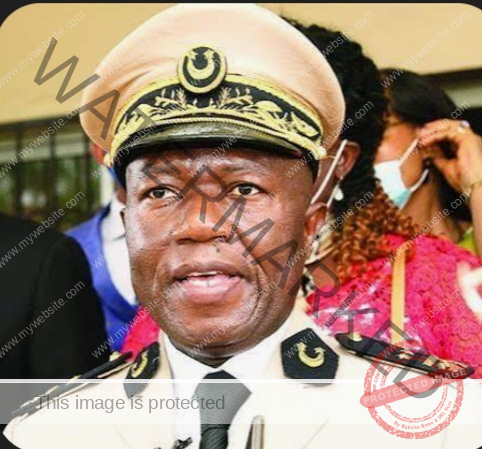
The ongoing crisis in Bangolan village, Ngoketunjia, has pulled back the curtain on a profound systemic conflict. When the Senior Divisional Officer (SDO) for Ngoketunjia, Handerson Quetong Konge, issued a decree declaring the dethronement of Fon Chafah Isaac XI as “null and void,” he was not performing a neutral administrative act; he was attempting to overwrite centuries of Tikari customary law and governance balance. In the historical governance of the Southern Cameroons, an SDO is a civil servant, not a monarch. His role is to receive information from the village and ensure public order—not to sit as a supreme judge over the spiritual and ancestral mandates of the Bangolan people.
The spark that ignited this fire was Fon Chafah’s recent visit to the church of John Chi, where he made public statements explicitly critical of traditional practices. By denouncing customs he was sworn to protect, he effectively set himself in conflict with the Ngumba (Traditional Council). When the SDO threatens the Kingmakers with accusations of “sacrilege” for removing a leader they believe has abandoned his heritage, the administration appears to be treating the Bangolan people as subjects rather than custodians of their own tradition. This tension highlights the deeper clash between centralized command governance and the consensus-based traditions of the Grassfields.
In the old order, the administration respected the “fence” between the state and the Palace. Today, many feel that fence has been torn down. The SDO’s attempt to impose a leader who has lost the mandate of his Kingmakers risks deepening local divisions. It reinforces the perception that, under the current system, traditional rulers are increasingly viewed as auxiliaries of the administration rather than independent custodians of custom. The Kingmakers of Bangolan have spoken; whether administrative authority can or should override that decision remains the core dispute.
The Final Verdict:
Administrative decrees alone cannot restore legitimacy to a throne that many believe has already been spiritually and culturally vacated by the occupant’s own words and actions.
Lester Maddox, Guest Writer
Independentistnews
Share This Post:
THE CPDM TRAP—CHIEFTAINCY AS A POLITICAL SUBSIDIARY
LE CRÉPUSCULE D’UN EMPIRE — 2026 ET LA POLITIQUE DES VÉRITÉS FINALES
Related Post
QUEBEC VOTED FOR INDEPENDENCE AS AN OPTION, WHY WAS
PROPHECY, POLITICS, AND THE AMBAZONIAN QUESTION (PART III) Why
WHEN YAOUNDÉ’S ALLIES SUDDENLY ENDORSE AYUK TABE: SOLIDARITY OR
THE SECOND RETURN: FROM THE PAIN OF SEPARATION TO
WHEN THE REGULATOR BENDS: WHAT THE VISION 4 AFFAIR
PROPHECY, POLITICS, AND THE AMBAZONIAN QUESTION (PART II) :