










Despite his opposition to reunification, Motomby-Woleta later participated in constitutional negotiations at Foumban and Yaoundé, seeking to secure strong federal protections for West Cameroon. His involvement showed political pragmatism: if union was inevitable, autonomy had to be constitutionally safeguarded.
By Ali Dan Ismael, Editor-in-Chief, The Independentistnews
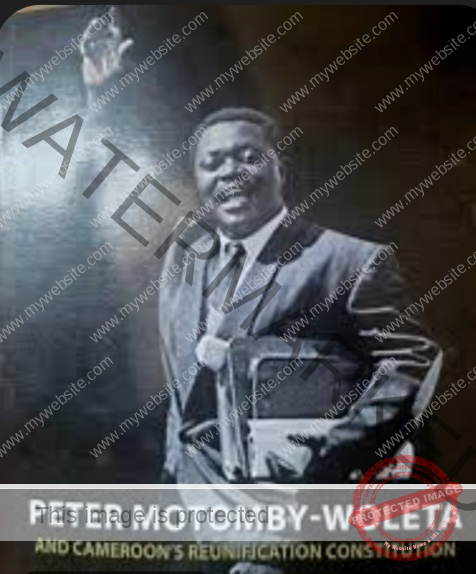
In the unfolding history of Southern Cameroons, some names echo constantly, while others—equally decisive—have faded from public memory. Among those deserving renewed attention stands Peter Motomby-Woleta: politician, journalist, trade unionist, and one of the most intellectually forceful voices of his generation.
Yet today, his contribution is often overshadowed by more dominant figures of the reunification era. Revisiting his legacy is not merely an exercise in nostalgia—it is essential for understanding how the political dilemmas of the past continue to shape present realities.
A Young Voice in a Critical Era
By his late thirties, Peter Motomby-Woleta had already emerged as a formidable political actor in British Southern Cameroons. At a time when colonial administrators and emerging African leaders were negotiating the territory’s future, he spoke with unusual clarity and boldness.
His central argument was simple but profound: the future of Southern Cameroons must be decided by its people, not imposed by external powers or political expediency. In confronting British authorities and challenging prevailing assumptions about reunification, he represented a generation unwilling to accept decisions made without popular consent.
Political Leadership and Party Influence
Motomby-Woleta played a leading role within the Kamerun People’s Party (KPP) and later within the Cameroon People’s National Congress (CPNC) following its merger with Endeley’s KNC. These formations represented alternative visions for Southern Cameroons at a time when political choices were narrowing.
Unlike the reunification movement led by John Ngu Foncha’s KNDP, Motomby-Woleta and his allies favored maintaining ties with Nigeria, believing that economic and administrative continuity offered greater stability than immediate union with the Republic of Cameroon.
His position was not merely ideological—it reflected deep regional concerns, particularly among coastal communities such as the Bakweri, who feared political marginalization within larger federative arrangements.
The Partition Proposal and Constitutional Negotiations
Following the 1961 plebiscite, which resulted in Southern Cameroons voting to join the Republic of Cameroon, Peter Motomby-Woleta and CPNC leaders petitioned the United Nations, arguing that regions which voted differently should not be compelled into a single political destiny. Though controversial, this move demonstrated his consistent insistence that political unions must respect regional consent and autonomy.
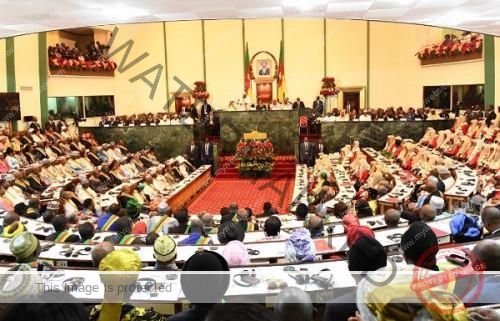
Despite his opposition to reunification, Motomby-Woleta later participated in constitutional negotiations at Foumban and Yaoundé, seeking to secure strong federal protections for West Cameroon. His involvement showed political pragmatism: if union was inevitable, autonomy had to be constitutionally safeguarded.
Journalism and Labor Advocacy
Beyond politics, Motomby-Woleta left a lasting mark in media and labor activism. His newspaper, The Cameroon Champion, provided a platform for alternative political voices and helped shape public debate at a critical moment in the territory’s history.
Earlier, his work within labor movements—particularly in relation to the Cameroon Development Corporation—demonstrated his commitment to workers’ welfare and social justice.
A Legacy Revisited
In contemporary discussions, scholars and commentators increasingly revisit Motomby-Woleta’s warnings about centralization and erosion of autonomy. Many of the tensions he feared later materialized, making his political foresight difficult to dismiss.
He was neither flawless nor universally accepted; like many political figures of transitional periods, he operated within complex regional and ethnic dynamics. Yet his central conviction—that political arrangements must respect the will and identity of the people—remains deeply relevant.
Why Memory Matters
History often celebrates victors while overlooking dissenting voices that nevertheless shaped outcomes. Motomby-Woleta belongs to that latter category: influential, controversial, but undeniably consequential.
Recovering his story is not about revisiting old divisions. It is about understanding the competing visions that once existed—and recognizing how unresolved questions continue to shape political struggles today.
In remembering Motomby-Woleta, Southern Cameroons reclaims not just a political actor, but a chapter of its intellectual and constitutional heritage that deserves its rightful place in history.
Ali Dan Ismael, Editor-in-Chief


Leave feedback about this