










Commentary

We are home to news on Cameroon and the CEMAC region. We are dedicated to honest and reliable reporting. We are the voice of the Cameroonian people and their fight for freedom and democracy at a time when the Yaoundé government is silencing dissent and suppressing democratic voices.

Let it be written plainly: Special Status was never meant to free Ambazonia. It was meant to outlive Ambazonia. And Ambazonia refuses to disappear quietly so others may inherit its chains—polished, renamed, and called reform.
By The Independentistnews Political Desk
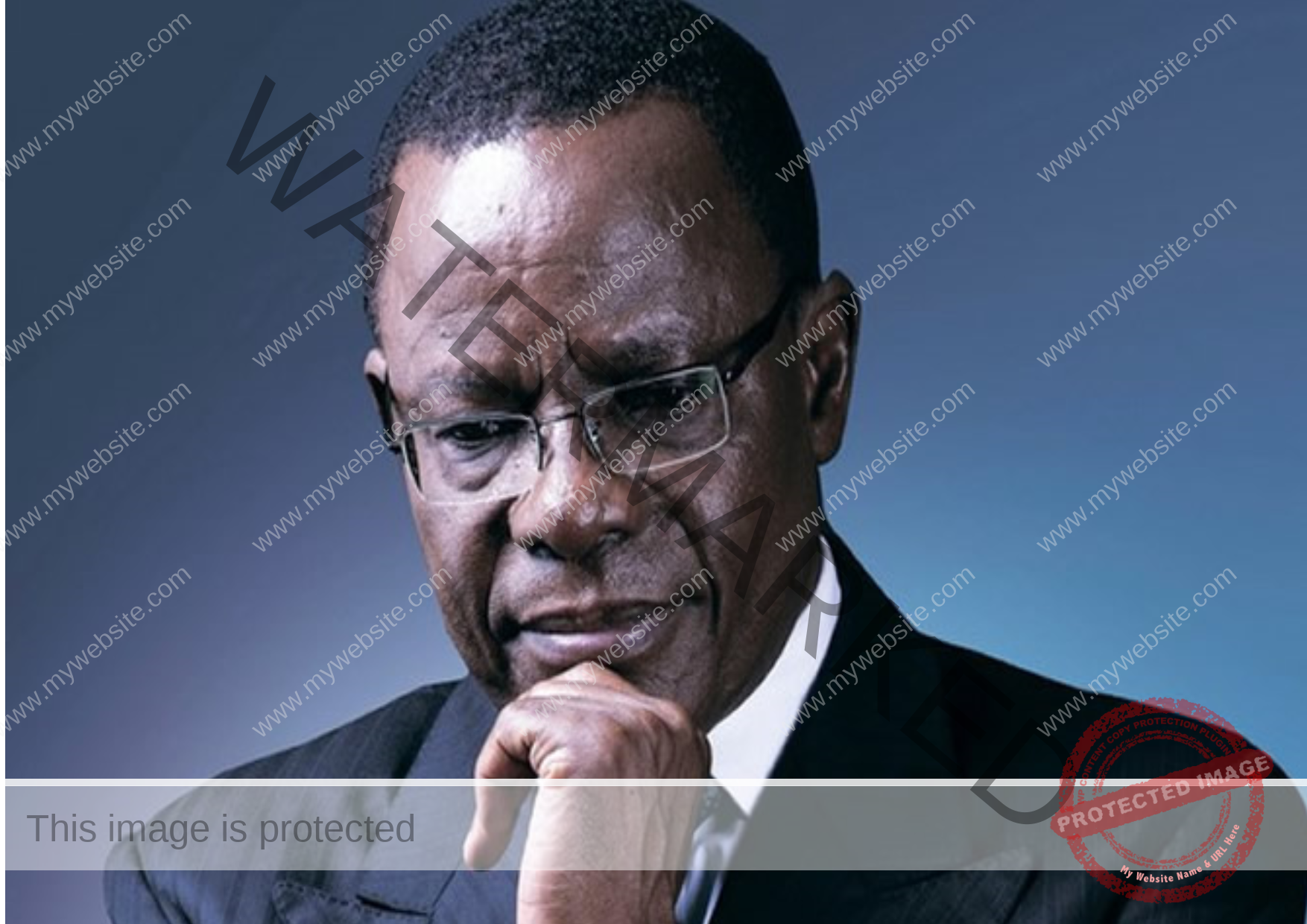
“In attempting to suffocate Ambazonia through ‘Special Status,’ Prof. Maurice Kamto may have been unconsciously drafting a future life-wire for Bamileke elites in the West Region—once Ambazonia is removed from the equation.” This sentence contains the whole truth.
Special Status was never a bridge to justice. It was never a pathway to peace. It was never a response to Ambazonia’s legal, historical, or political claim. It was a reallocation strategy—a quiet rearrangement of survival priorities inside a state that has no intention of reforming itself. Ambazonia was not meant to benefit. Ambazonia was meant to be neutralised.
The logic is cold and unmistakable: exhaust Ambazonia through war, dilute its demand for statehood with administrative concessions, and once the problem is buried, repurpose those concessions elsewhere. In that future, Special Status is no longer a deception—it becomes a shield. A shield for whom? For those who know they will be next.
The West Region understands what Ambazonia has long known: Beti-Bulu power does not rotate, decentralise, or negotiate in good faith. It consolidates. It dominates. It absorbs. And it punishes those who arrive late to the table without leverage.
This is where Special Status reveals its true function—not as a solution for Ambazonia, but as a survival clause for Bamileke elites, drafted in advance and tucked safely behind Ambazonia’s destruction.
The quiet hope is simple, almost desperate: that the ruling Beti-Bulu establishment, once Ambazonia is gone, will honour engagement, respect Special Status, and allow a controlled form of breathing room for others within the unitary state. Hope replaces rights. Engagement replaces guarantees. Survival replaces freedom.
Ambazonia rejects this entire framework. A people with a defined territory, an internationally recognised colonial status, and a violated act of self-determination does not negotiate for administrative indulgences. It does not queue behind others for protection. It does not trade sovereignty for promises of engagement from a regime whose defining feature is bad faith.
Those who sell Special Status are not naïve. They are pragmatic in the narrowest sense: willing to sacrifice Ambazonia today so that they may bargain for relevance tomorrow. But history is unforgiving to such calculations.
Special Status cannot save a system built on domination. Engagement cannot civilise a structure designed to suffocate. And Ambazonia will not be the corpse upon which others negotiate oxygen.
Let it be written plainly: Special Status was never meant to free Ambazonia. It was meant to outlive Ambazonia. And Ambazonia refuses to disappear quietly so others may inherit its chains—polished, renamed, and called reform.
The Independentistnews Political Desk
Share This Post:
Cameroon’s Conflict Cure: Stealing the Separatists’ Thunder
Extrajudicial Excesses in Bamenda: A French Cameroun Culture of Impunity
Related Post
PROPHECY, POLITICS, AND THE AMBAZONIAN QUESTION (PART III) Why
WHEN YAOUNDÉ’S ALLIES SUDDENLY ENDORSE AYUK TABE: SOLIDARITY OR
THE SECOND RETURN: FROM THE PAIN OF SEPARATION TO
WHEN THE REGULATOR BENDS: WHAT THE VISION 4 AFFAIR
PROPHECY, POLITICS, AND THE AMBAZONIAN QUESTION (PART II) :
IF SOMALILAND MATTERS TO WASHINGTON, WHY NOT SOUTHERN CAMEROONS?