

Pan-Africanism has always been more than rhetoric; it was born from the belief that African lives matter equally, whether threatened by colonial oppression yesterday or by internal conflict today. If continental unity cannot meaningfully address the suffering of ordinary citizens caught in prolonged violence, then the promise of “The Africa We Want” risks becoming aspirational rather than transformative.
By Timothy Enongene
Guest Editor-in-Chief, Independentistnews
Summit Speeches and Unanswered Questions
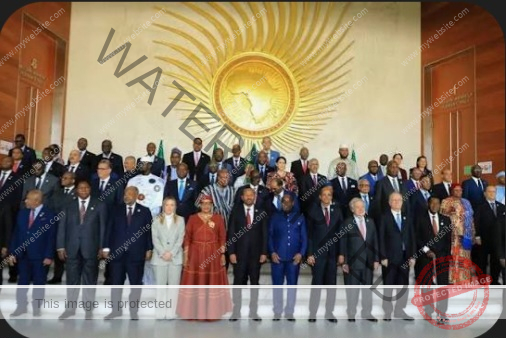
ADDIS ABABA 24 February 2026 – As the 39th African Union Summit in Addis Ababa concludes, the corridors of the AU headquarters resonate with ambitious declarations—calls for reparatory justice, renewed pan-African solidarity, and long-term development visions such as Africa Water Vision 2063. These are important and necessary conversations. Yet beyond the formal speeches and communiqués lies a troubling question: can a continent speak boldly about historical injustices while remaining hesitant to confront present suffering?
The Conflict That Rarely Makes the Agenda
Across Africa, communities continue to face violent conflict. In the North-West and South-West regions of Cameroon, the crisis commonly referred to as the Ambazonia conflict is entering its tenth year. For many observers, it remains conspicuously absent from high-level continental discourse. Thousands have lost their lives, millions have experienced displacement, and entire communities have endured prolonged instability. Regardless of political interpretation, the humanitarian cost is undeniable.
When Slogans Outpace Reality
The African Union has long championed the aspiration of “Silencing the Guns.” It has also emphasized its commitment to a people-centered approach to governance and peacebuilding. Yet when pressing conflicts receive limited sustained attention at the continental level, these slogans risk sounding detached from lived realities.
Development frameworks—whether focused on water security, economic integration, or climate resilience—are vital for Africa’s future. But development cannot substitute for conflict resolution; it must be built upon it.
Sovereignty and Responsibility
This is not merely a diplomatic oversight; it is a test of institutional courage. The Peace and Security Council exists precisely to engage complex crises—even when they involve member states with political influence. Sovereignty is a foundational principle of the Union, yet the AU’s own Constitutive Act also affirms a responsibility to intervene in grave circumstances involving war crimes, genocide, and crimes against humanity. Balancing sovereignty with human protection remains one of the Union’s greatest challenges.
The Moral Core of Pan-Africanism
At its core, the issue is moral rather than procedural. Pan-Africanism has always been more than rhetoric; it was born from the belief that African lives matter equally, whether threatened by colonial oppression yesterday or by internal conflict today. If continental unity cannot meaningfully address the suffering of ordinary citizens caught in prolonged violence, then the promise of “The Africa We Want” risks becoming aspirational rather than transformative.
A Call for Consistent Solidarity
The call, therefore, is not for condemnation but for consistency. African leadership has shown that it can speak with clarity on global justice. The same clarity is needed at home. True solidarity does not selectively acknowledge pain; it confronts it.
If Africa is to lead with moral authority on the world stage, it must also demonstrate that no African life is too politically inconvenient to defend.
Timothy Enongene
Guest Editor-in-Chief, Independentistnews