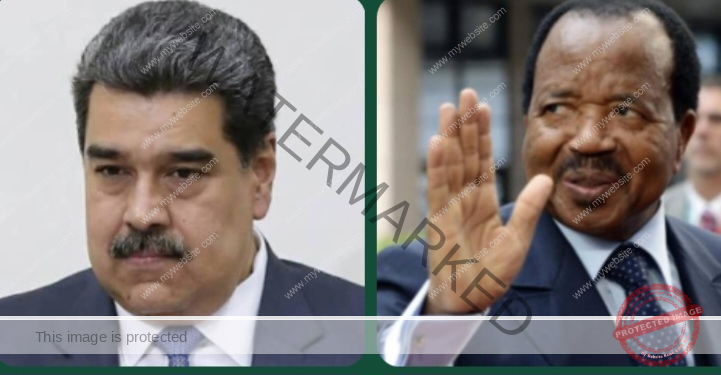


Maduro shouts at the world and dares it to respond. Biya whispers, waits, and counts on fatigue.
History, however, does not respect patience built on injustice. Whether loud or quiet, regimes that steal elections, crush voices, protect criminals, and mock constitutions eventually face the same verdict. The difference is not if— only how much damage is done before the reckoning arrives.
By Ako Aya The Independentistnews contributor
History often repeats itself quietly before it erupts loudly. In Latin America, the world learned—too late—that Nicolás Maduro was not an accident but the predictable outcome of prolonged institutional decay. In Central Africa, Paul Biya represents an even more entrenched version of that model—one refined over four decades, perfected through silence, repression, and strategic manipulation of global indifference.
Biya is not becoming a Maduro. In many respects, he is more than Maduro—older in power, deeper in institutional capture, and more methodical in hollowing out the state while preserving the appearance of sovereignty.
Longevity in Power:
The First Red Flag Maduro inherited power; Biya engineered permanence.
• Maduro has ruled Venezuela since 2013.
• Biya has ruled Cameroon since 1982—over four decades. Longevity alone is not the crime; what it produces is. In both cases, extended rule destroyed constitutional culture, normalized emergency governance, and converted the state into a private estate. But Biya’s tenure surpasses Maduro’s in duration and subtlety. Where Maduro governs noisily, Biya governs by strategic absence—disappearing physically while his system suffocates the country.
Contempt for Democracy and Electoral Fraud:
Both regimes maintain elections. Neither respects them.
• Maduro rigs outcomes openly—banning opposition candidates, rewriting rules midstream, and declaring victory against mathematical logic.
• Biya perfected a quieter method:
o Permanent manipulation of voter registers
o State-controlled electoral bodies
o Intimidation of opposition strongholds
o Pre-written results announced with ritual solemnity.
Elections under Biya are procedural theater—a ceremony meant to satisfy foreign observers while denying citizens real choice. Democracy is not merely postponed; it is despised. Repression, Killings, and Disappearances. Maduro’s repression is brutal and visible. Biya’s is systemic and deniable.
In Cameroon:
• Opposition figures have been killed, disappeared, or forced into exile
• Protesters—especially in Anglophone regions—have been met with live ammunition
• Journalists and activists are imprisoned under anti-terror laws designed to criminalize dissent
Like Venezuela, security forces are used not to protect citizens but to protect the regime. But Biya’s repression is more dangerous because it is framed as “law and order,” masking crimes with bureaucratic language.
Hatred for the Constitution:
Maduro rewrote Venezuela’s constitution to suit himself. Biya did something arguably worse: he emptied Cameroon’s constitution of meaning without rewriting it.
• Term limits were removed to guarantee personal continuity
• Federal promises were abandoned in favor of extreme centralization
• Constitutional provisions exist only when they serve power
The constitution under Biya is not a social contract—it is a prop.
Corruption and the Protection of Criminal Networks
Both regimes thrive on corruption, but their styles differ.
• Maduro presides over a narco-state economy, visibly collapsing.
• Biya presides over a patrimonial oligarchy:
o State resources captured by a narrow elite
o Tribal and familial protection networks
o Selective “anti-corruption” campaigns used to punish rivals, not criminals
Grand corruption is tolerated as long as loyalty flows upward. Theft becomes governance. Criminals are protected—not prosecuted—if they serve the system.
Turning Against U.S. Interests
Maduro openly antagonizes the United States.
Biya did something more cynical: he took Western support while quietly undermining Western values.
For decades, Cameroon presented itself as a “moderate partner.” But as pressure mounted over human rights and democracy, Biya pivoted:
• Expanded security and diplomatic ties with Russia
• Deepened economic dependence on China
• Ignored repeated Western calls for political reform and dialogue.
This mirrors Maduro’s pivot—but Biya’s turn was slower, quieter, and therefore more deceptive.
Suppression of the People’s Voice
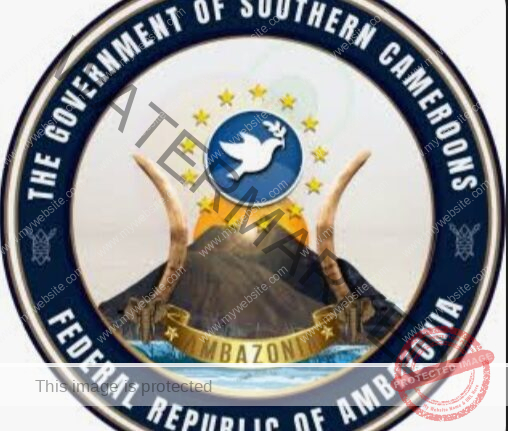
In Venezuela, citizens protest loudly and are crushed publicly. In Cameroon, especially in Southern Cameroons (Ambazonia):
• Peaceful grievances were ignored for decades
• Civic protests were militarized
• Entire regions were silenced through fear
When citizens speak, the regime does not listen—it deploys force. When voices persist, they are labeled enemies of the state.
The Key Difference: Collapse vs. Managed Decay
Venezuela collapsed dramatically. Cameroon is undergoing managed decay—a slow erosion designed to preserve elite comfort while the nation rots. That is why Biya is “more than Maduro.”
Not louder. Not messier. But more durable—and more dangerous.
A Final Ako-Aya Reflection.
Maduro shouts at the world and dares it to respond. Biya whispers, waits, and counts on fatigue. History, however, does not respect patience built on injustice. Whether loud or quiet, regimes that steal elections, crush voices, protect criminals, and mock constitutions eventually face the same verdict. The difference is not if— only how much damage is done before the reckoning arrives.
Ako Aya