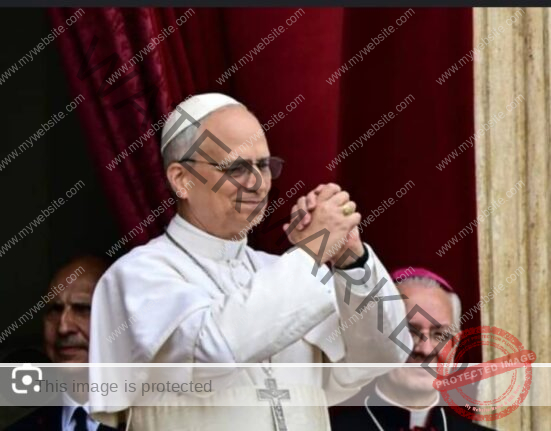
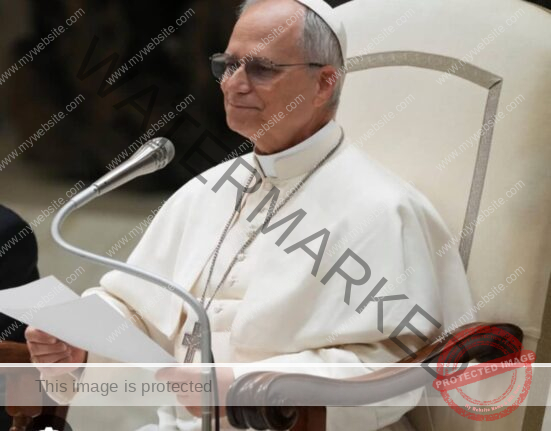
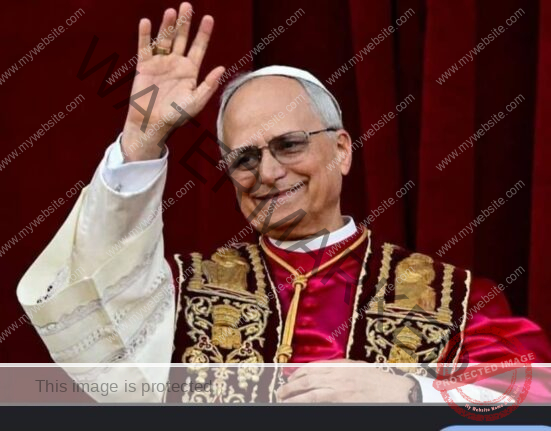
Bishop Michael Bibi, whose leadership has inspired both loyalty and criticism. Supporters point to his efforts to modernize diocesan administration and strengthen discipline; detractors accuse him of arrogance and poor communication.
By Nchumbonga George Lekelefac
Introduction
Across the Catholic world, recurring moral scandals have shaken public confidence and called for deep reform within Church structures. In Cameroon, the Diocese of Buea has not been spared the turbulence. Allegations of impropriety, divisions among clergy, and a growing sense of mistrust among the faithful have stirred public debate about leadership, accountability, and the need for moral renewal within the local Church.
A Crisis of Confidence
Many parishioners and observers say the diocese faces a credibility crisis marked by administrative tension and moral controversy. Critics argue that the Church’s internal mechanisms for addressing complaints have been slow or opaque, creating fertile ground for rumor and resentment. Others believe that online speculation and personal attacks have worsened an already sensitive situation, distracting attention from the pastoral mission that unites the faithful.
At the center of this storm is Bishop Michael Bibi, whose leadership has inspired both loyalty and criticism. Supporters point to his efforts to modernize diocesan administration and strengthen discipline; detractors accuse him of arrogance and poor communication. Between these extremes lies the painful truth that the Diocese of Buea—like many others worldwide—must confront questions about transparency, justice, and moral example.
The Duty to Investigate and Reform
The Catholic Church teaches that every allegation of misconduct, whether administrative or moral, deserves serious and impartial examination. Canon Law provides mechanisms for such inquiries, yet they are effective only when accompanied by courage and sincerity. Faithful Catholics in Cameroon have repeatedly called for clearer processes—where truth is established through fact, not gossip, and where accountability is exercised with both firmness and charity.
Observers recall that past failures by Church authorities to investigate credible complaints promptly have damaged the institution’s moral standing. Avoiding similar mistakes requires openness from both local leaders and the Holy See. When transparency replaces secrecy, and pastoral care replaces fear, healing becomes possible.
Protecting Families and the Faithful
The Church’s credibility depends on its ability to safeguard families and the vulnerable. Whenever moral lapses—real or perceived—occur among clergy, the effects ripple far beyond the individuals involved. Marriages are shaken, faith is weakened, and communities become divided. The faithful deserve shepherds who inspire by example, and clergy deserve a system that supports integrity rather than conceals wrongdoing.
A Call for Renewal
This moment should be seen not merely as a scandal but as a summons to renewal. The Diocese of Buea has a long history of spiritual vitality and social engagement. Reclaiming that legacy requires humility from leadership, prudence from the faithful, and courage from Rome to ensure justice and reform. Every Catholic community thrives when truth and compassion walk hand in hand.
As St. Paul wrote, “We can do all things in God who strengthens us.” (Phil 4:13). The path ahead demands precisely that strength—so that the Church in Buea may emerge purified, united, and once again worthy of the trust of its people.
Nchumbonga George Lekelefac
B.Phil. (Mexico); S.T.B. (Rome); J.C.L./M.C.L. (Ottawa)
International Advocate for the Oppressed and Defender of Human Rights
Email: nchumbong@yahoo.com
“Audiendum, fiendum, nuntiandum — To be heard, to be done, to be reported.”