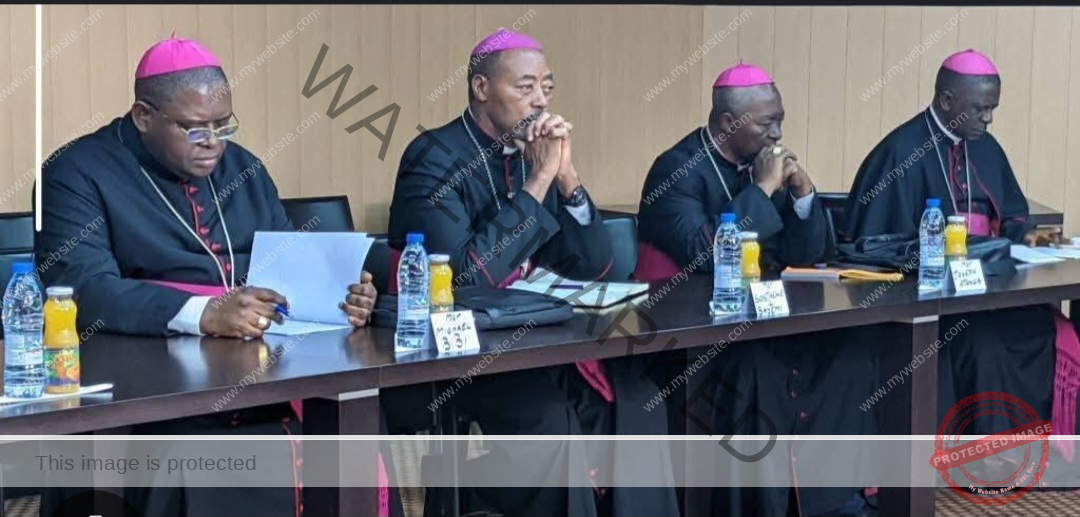


The story of Christian churches in Cameroon is not a story of defeat, even when the hardships are immense. It is a testimony of endurance. Across denominations, believers continue to build peace in the smallest ways: a child taught, a family sheltered, a prayer whispered aloud despite fear.
The Independentist investigation
This investigation is not a political accusation, nor an attempt to simplify a long and painful history. Instead, it is a search for understanding. It is a record of how Christian churches in Cameroon have experienced fear and uncertainty during decades of tension, yet continued to serve their people without distinction. The aim is to preserve memory, acknowledge suffering where it exists, and encourage reflection on how dignity and compassion may guide the country forward.
A Nation Where the Church Carries the People
Christianity in Cameroon has long been more than a spiritual presence. Across Catholic, Anglican, Presbyterian, Baptist, and Evangelical communities, churches remain places where children learn, the sick are treated, and the poor find support without condition. They also serve as one of the last institutions able to speak for those whom fear has silenced.
This sense of duty has not always been welcomed by those in authority. The State sees itself as the guardian of national stability. The Church sees itself as the defender of conscience. Between these visions lies a tension that has shaped decades of religious experience in the country.
The Nineteen Nineties and the First Warning Bells
As calls for democratic reform increased during the nineteen nineties, Christian leaders expressed growing concern about corruption, repression, and the welfare of ordinary citizens. Their public advocacy came with real risks.
In June nineteen ninety one, Archbishop Yves Joseph Marie Plumey was murdered in Ngaoundéré. He had served for decades as builder, educator, and spiritual shepherd. The lack of clear answers about his death left the faithful fearful and searching for meaning. His murder was followed by threats and unexplained violence affecting clergy across denominations. Fear became a subtle but constant companion.
The Loss of Father Engelbert Mveng
In April nineteen ninety five, the killing of Father Engelbert Mveng added a new depth of sorrow. A brilliant Jesuit priest, theologian, and defender of human dignity, he was found dead in his Yaoundé home under violent circumstances. Again, there were no answers. His death was not just a Catholic tragedy. It affected the moral life of the entire nation. If a voice as respected as Father Mveng could be silenced, who could freely speak for justice
The Quiet Strains of the New Century
Even as time passed and politics evolved, unease did not disappear. Priests, pastors, and church workers in towns like Bamenda, Kumbo, Wum, Kumba, and Mamfe faced harassment from unidentified actors. Religious buildings burned without clear cause. Places of worship were treated with suspicion by both state and nonstate forces.
Some church radio stations were restricted for broadcasting messages viewed as uncomfortable for those in power. Clergy found themselves walking a narrow line between truth and safety, loyalty and fear.
The Anglophone Conflict and the Burden of Compassion
When conflict erupted in the Northwest and Southwest regions, churches stepped in where government services struggled. They sheltered displaced families, operated schools for traumatized children, and healed those wounded by violence. By putting humanity first, clergy were frequently misunderstood. When they condemned abuses committed by soldiers, some authorities questioned their motives. When they denounced attacks by armed groups, some militants accused them of betraying their people. The mission remained the same. They protected civilians wherever they stood, regardless of politics.
A Hard Ministry in Divided Times
Christian leaders often speak of a painful reality. If they remain silent, they abandon the people. If they speak, they risk backlash. Their vocation calls them to be neutral in politics, but compassionate truth rarely fits political expectations. Their work is humanitarian, yet suspicion treats compassion itself as a threat. They are viewed through the lens of conflict rather than the lens of care.
Why the Churches Continue
Churches persist because the people need them. For many families, faith remains the only refuge that conflict cannot fully destroy. Churches provide presence, support, and hope when everything else feels uncertain. Mass still takes place even in damaged chapels. Hymns continue to rise from borrowed schoolrooms. Sermons are spoken beside simple altars built in haste. Believers remain connected by love and courage stronger than fear.
Truth, Memory, and the Slow Road to Healing
This investigation does not claim to identify culprits or motives where evidence remains unclear. Hardship should never be used to make easy accusations. But silence must not erase real wounds. There are clergy whose deaths remain unexplained. There are parish communities still grieving disappearances from years ago. There are believers who carry trauma in silence. Acknowledging this pain is the first step toward healing. Justice grows from truth, and truth must be allowed to breathe.
Conclusion
The story of Christian churches in Cameroon is not a story of defeat, even when the hardships are immense. It is a testimony of endurance. Across denominations, believers continue to build peace in the smallest ways: a child taught, a family sheltered, a prayer whispered aloud despite fear.
Power will rise and fall. Conflicts will begin and end. But faith, expressed in service and sacrifice, continues. The Church survives because love survives. And love continues its quiet work wherever people protect one another without fear.
This is why hope remains possible. The final word does not belong to violence or oppression. The final word belongs to the truth that lives on in every act of compassion and courage.
The Independentist Investigative desk